
Whole-Home Surge Protection vs. Power Strips: What NE Ohio Homes Actually Need
The short version
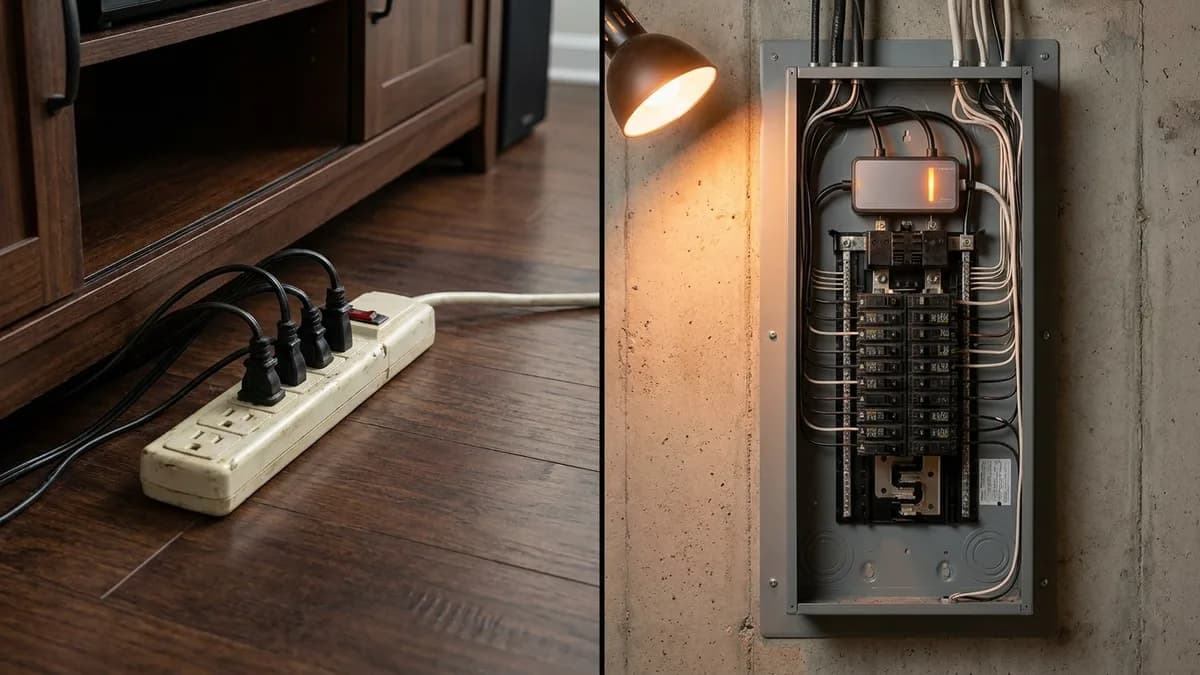
Here's the bottom line, before you buy anything. A power strip and whole-home surge protection are not the same product doing the same job at different sizes — they protect different things, in different places, against different threats. A power strip guards the handful of devices plugged into it (and only if it's an actual surge protector, which many strips are not). Whole-home surge protection installs at your electrical panel and shields your entire home — HVAC, appliances, the panel itself, and every outlet — from the big surges that come in off the grid and from summer storms. In Northeast Ohio, where thunderstorm season and an aging grid throw regular surges at your house, the right answer for most homes is both, layered together. One does not replace the other.
If you want that layered protection set up correctly, AK Water Works installs whole-home surge protection at the panel across Warren, Youngstown, Boardman, and the Mahoning Valley. Call (330) 574-1507 — we'll walk you through it.
What a power strip actually does (and doesn't)
Walk into any hardware store and you'll find a wall of power strips for a few dollars each. Most people plug in their TV, computer, or nightstand and assume they're covered. Here's the catch: a basic power strip is just a multi-outlet extension cord. It splits one wall outlet into six or eight. That's it. It does nothing to stop a voltage spike — a surge rolls right through it and into whatever's plugged in.
Even a real surge-protecting power strip — the kind with a joule rating and a little "protected" light — only covers the devices physically plugged into that strip. Everything else in your home is unprotected:
- Your furnace, AC, and heat pump, which are hard-wired and never touch a power strip
- Your refrigerator, oven, dishwasher, washer, and dryer on their own circuits
- Your garage door opener, well pump, and sump pump (a device your basement depends on)
- The breaker panel itself, along with the wiring in your walls
- Every outlet in every room where you don't have a strip plugged in
A power strip protects things measured in hundreds of joules and only what's plugged directly into it. It also wears out silently — the protective component inside degrades with every surge it absorbs, and once it's spent, the strip still powers your devices but no longer protects them. Most people never know the difference until something fails.
Power strips also can't help with the surge source that does the most expensive damage: the big spikes that arrive on the incoming power line from outside your house. Those hit the whole system at once, and a strip in your living room was never in a position to stop them.
What "surge protector" on the box really means
This is where a lot of homeowners get caught. "Power strip" and "surge protector" are not interchangeable, even though they look identical on the shelf.
- A power strip simply adds outlets. No surge protection at all.
- A surge-protecting power strip contains a component (usually a metal-oxide varistor, or MOV) that clamps voltage spikes and diverts the excess. This is the one you actually want at your desk or entertainment center.
Two numbers tell you what a strip is worth:
| Spec | What it means | What to look for |
|---|---|---|
| Joule rating | How much surge energy the strip can absorb over its life before it's used up. | Higher is better for electronics. A very low number is barely protection at all. |
| Clamping voltage | The voltage at which it starts diverting the spike. | Lower clamps sooner (better). Look for a UL 1449 listing. |
| Indicator light | Tells you the protection is still alive. | If it's out, the strip is done protecting — replace it. |
Check the little "protected" light on your surge strips a couple times a year. If it's dark, the strip is now just an extension cord — swap it. And never daisy-chain one strip into another; it defeats the protection and creates a fire risk.
Even the best strip, though, is a last line of defense for one small zone. It was never designed to stop a grid-level surge. That's a job for something built into the house itself.
How whole-home surge protection works at the panel
Whole-home surge protection is a completely different animal. Instead of sitting at an outlet, it's a device installed directly at your electrical panel (or right beside it) by a licensed electrician, wired into your main service. Every bit of power entering your home passes through that point first.
Here's what it does when a surge hits:
A whole-home surge protective device (its technical name is an SPD, a Type 2 device at the panel) is rated to handle surges an order of magnitude larger than any strip — tens of thousands of amps. It's the piece that stands between the grid and your home's most expensive systems.
Whole-home surge protection has to be installed inside your electrical panel by a licensed electrician — this is not a DIY plug-in. At AK Water Works, that work is performed under Ohio Electrical License #38179, and it's a clean, same-day job for a qualified crew.
Where the surges come from in Northeast Ohio
It's easy to picture a surge as a dramatic lightning bolt hitting the house. That happens — but it's not the most common threat. Most of the surges damaging Mahoning Valley homes are smaller, more frequent, and come from everyday sources.
⚡ Summer storms
Northeast Ohio's thunderstorm season runs hard through the summer. A lightning strike doesn't have to hit your house — a strike anywhere on the local power lines can send a massive surge down the grid and straight into your service.
🔌 Grid switching & outages
Every time the utility switches loads, or power flickers back on after an outage, the sudden change can spike voltage. Older neighborhoods around Warren and Youngstown see this regularly.
🏭 Internal surges
Surprisingly, a large share of surges start inside your home — every time a big motor like your AC compressor, furnace blower, or well pump kicks on and off, it sends a small spike through your wiring.
🌈 Downed lines & tree contact
Ice, wind, and summer storms bring branches and lines down across the region. A line fault can push an abnormal voltage into homes on the same circuit before the utility isolates it.
Those internal, everyday surges are the quiet ones. Individually they're small, but repeated over months and years they wear down the electronics inside your appliances, HVAC control boards, and smart devices — shortening their lifespan without any single dramatic event you'd notice. Modern homes are full of sensitive electronics that didn't exist a generation ago: variable-speed furnaces and heat pumps, smart thermostats, LED lighting, WiFi gear, and appliances with circuit boards instead of simple mechanical parts. The more your home relies on electronics, the more a single grid surge can cost you — and the more the slow, repeated surges add up.
A power strip in your living room does nothing for the surge that comes in off a storm-struck power line and hits your $8,000 heat pump, your refrigerator, and your panel all at once. That's exactly the gap whole-home protection fills.
Side-by-side: power strip vs. whole-home surge protection
Need a Plumber or Waterproofing Expert?
Our team is available 24/7 for emergencies. Call now or schedule online.
| Power strip (surge-protecting) | Whole-home surge protection | |
|---|---|---|
| Where it installs | Plugs into a wall outlet | At the electrical panel, by a licensed electrician |
| What it protects | Only devices plugged into the strip | The entire home — every circuit, outlet, and hard-wired system |
| Covers HVAC, appliances, panel? | No | Yes |
| Surge size it handles | Small (hundreds of joules) | Large grid/storm surges (tens of thousands of amps) |
| Stops surges from the grid? | No — only local, plugged-in devices | Yes — catches them at the point of entry |
| Typical cost | $15–$50 each | A few hundred dollars, installed once |
| Lifespan | Wears out silently; replace periodically | Long-lasting; many have an indicator and warranty |
| Best at | Final, close-up protection for electronics | Whole-home defense against the biggest threats |
The takeaway from that table isn't "one wins." It's that they cover different halves of the same problem — which is exactly why the professional recommendation is to use them together.
Layered protection: why smart homes use both
Electricians talk about surge protection in layers — sometimes called "cascaded" protection — because no single device does the whole job perfectly. Think of it like protecting your home from water: you want the big shutoff at the main and the smaller local valves. Same idea here.
Your first and biggest line of defense. It knocks the large incoming surge down before it can spread through the house, and it's the only layer that protects hard-wired systems like your HVAC, well pump, and the panel itself.
Quality surge-protecting strips at your most sensitive electronics — home office, entertainment center, gaming setup. They handle the smaller residual spikes and internally-generated surges that slip past, right at the device.
The whole-home device takes the brunt of the big hit; the strips clean up what's left, right where your most delicate gear lives. Skip Layer 1 and your HVAC and appliances are wide open. Skip Layer 2 and your priciest electronics lose their last, closest bit of protection. Together, they cover the full range — from a lightning-driven grid surge down to the little spike your AC makes every time it cycles.
If you're only going to add one thing, start with whole-home protection at the panel. It's the layer that covers what you can't reach with a strip — and it's the systems behind those hard-wired circuits (HVAC, appliances, the panel) that cost the most to replace.
For a full rundown of how the panel-level device is sized and installed for your home, see our whole-home surge protection page.
What whole-home surge protection costs — and what it protects
For most Northeast Ohio homes, whole-home surge protection is a one-time investment of a few hundred dollars, installed — and it's often the cheapest insurance in the house relative to what it guards. Consider what's on the line in a typical home:
What a single grid surge can threaten
Add just the HVAC and major appliances together and you're already well past the cost of the protective device — before you count a single TV or computer. That's the math that makes whole-home surge protection an easy call for most homeowners, especially heading into a Northeast Ohio storm season.
The install itself is straightforward for a licensed electrician: the device is added at your panel, usually in the same visit, and (depending on your panel's condition and age) it's a clean same-day job. If your panel is older or already crowded, we'll tell you honestly what it needs first — sometimes a panel upgrade is the right foundation, and sometimes the device drops right in.
Pricing depends on your panel and home. We'll give you an upfront quote before any work starts — no surprises. See our full electrical services for everything we cover.
Frequently asked questions
Is a power strip the same as whole-home surge protection?
No. A power strip only protects the devices plugged directly into it, and only if it's a surge-protecting model. Whole-home surge protection installs at your electrical panel and shields your entire home — including hard-wired systems like your HVAC, appliances, and the panel itself, which a power strip can never reach. They protect different things and work best together.
Do I still need power strips if I have whole-home surge protection?
Yes, ideally. Whole-home protection at the panel is your first and biggest line of defense against large surges from the grid. Quality surge-protecting strips add a second layer right at your most sensitive electronics — computers, TVs, gaming gear — catching smaller spikes that slip past. Electricians call this layered, or cascaded, protection, and it's the standard recommendation.
How much does whole-home surge protection cost in Northeast Ohio?
For most homes it's a one-time investment of a few hundred dollars installed, depending on your panel and home. That's usually far less than replacing even one item a surge can destroy — an HVAC control board or a refrigerator alone can cost more than the protection itself. AK Water Works gives an upfront quote before any work begins; call (330) 574-1507.
Can I install whole-home surge protection myself?
No — it wires directly into your electrical panel and should only be installed by a licensed electrician. Working inside a live panel is dangerous and, done wrong, can void warranties or create a fire hazard. AK Water Works performs this work under Ohio Electrical License #38179, safely and typically same-day.
Will surge protection stop damage from a direct lightning strike?
No surge device can fully absorb a direct lightning strike to your home — that's an extreme event. What whole-home surge protection is built for is the far more common threat: the large surges that travel down the power grid after a strike hits the lines nearby, plus grid switching, outages, and downed lines. Those are the surges damaging most Northeast Ohio homes, and they're exactly what a panel-level device catches.
Why does surge protection matter more now than it used to?
Because today's homes are packed with sensitive electronics that older homes didn't have — variable-speed HVAC, smart thermostats, LED lighting, WiFi equipment, and appliances run by circuit boards instead of simple mechanical parts. Every one of those is vulnerable to a voltage spike, and the everyday surges from summer storms and an aging grid add up. More electronics means more to protect.
How do I know if my power strip is still protecting my devices?
Look for the small "protected" indicator light. Surge-protecting strips wear out silently — the component inside degrades every time it absorbs a spike, and once it's spent, the strip still powers your devices but no longer protects them. If the light is out, replace the strip. And never plug one strip into another.
Get whole-home surge protection set up right — before storm season peaks
Northeast Ohio's summer storms and aging grid throw surges at your home all season long. A power strip covers a corner of the problem; whole-home surge protection at the panel covers the rest — your HVAC, your appliances, your panel, and every outlet in the house.
AK Water Works is a family-owned, BBB A+ rated local team serving Warren, Niles, Cortland, Youngstown, Boardman, Canfield, Austintown, Kent, and the rest of the Mahoning Valley. Our electrical work is licensed, bonded, and insured.
Call now: (330) 574-1507 — or learn more on our whole-home surge protection page »
See everything we handle on the electrical services page »
Jack, our shop poodle, isn't a fan of thunder — but he sleeps better knowing the panel's protected.
Need Help With Your Plumbing?
Our team is ready to help with any plumbing or waterproofing need.
Related Articles
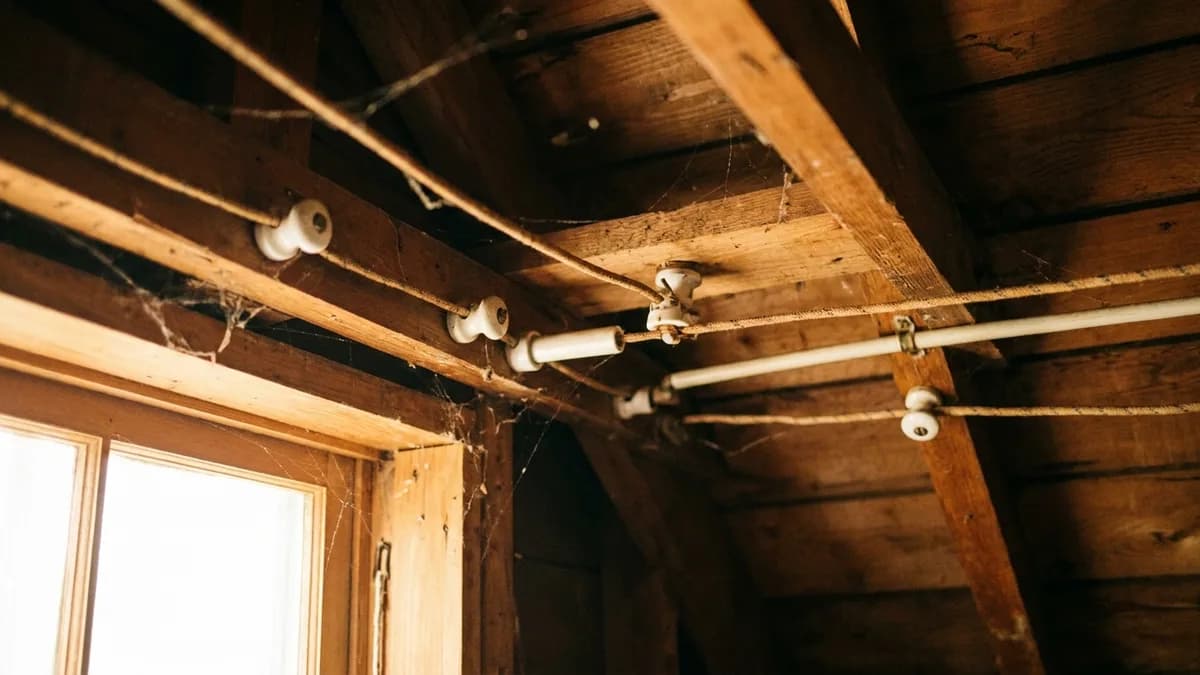
Is Your Older Warren-Area Home Due for Rewiring? Knob-and-Tube & Aluminum Wiring
Older Warren-area homes often hide knob-and-tube or aluminum wiring never built for a modern electrical load. How to spot it, the fire and insurance risks, and what a rewire involves.
Read More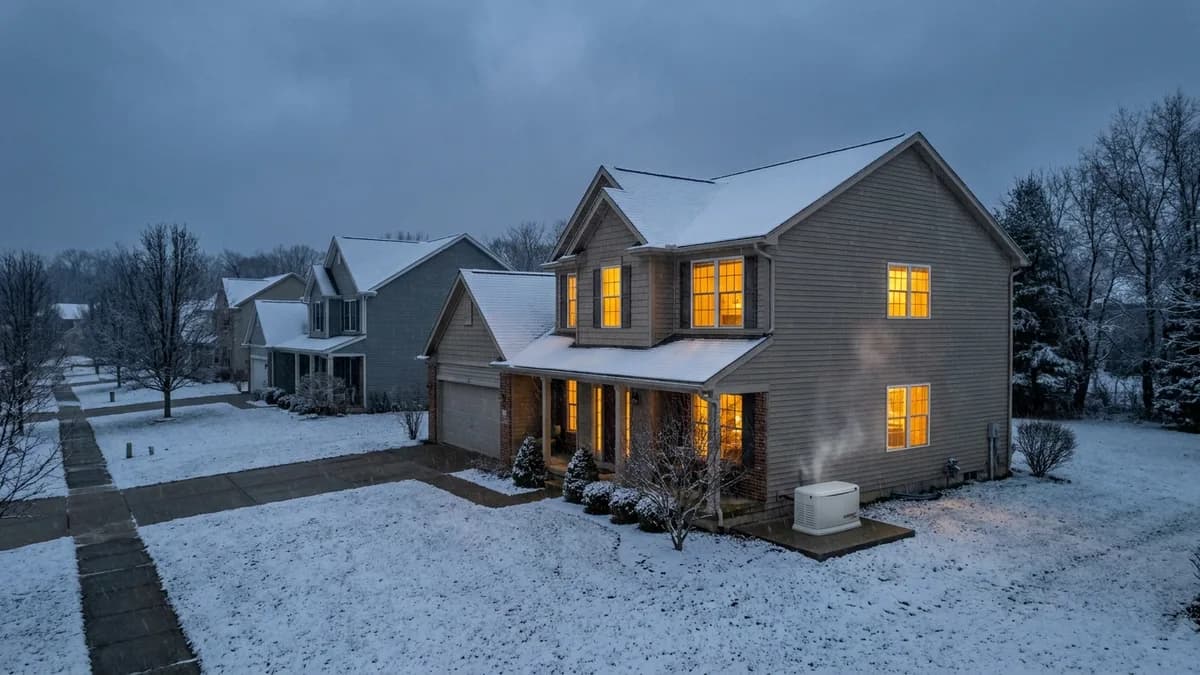
Do You Need a Whole-Home Generator in Northeast Ohio?
Northeast Ohio storms and ice knock out power every year. Here's how to decide if a whole-home standby generator is worth it for your Warren-area home, what it protects, sizing basics, and who does what.
Read More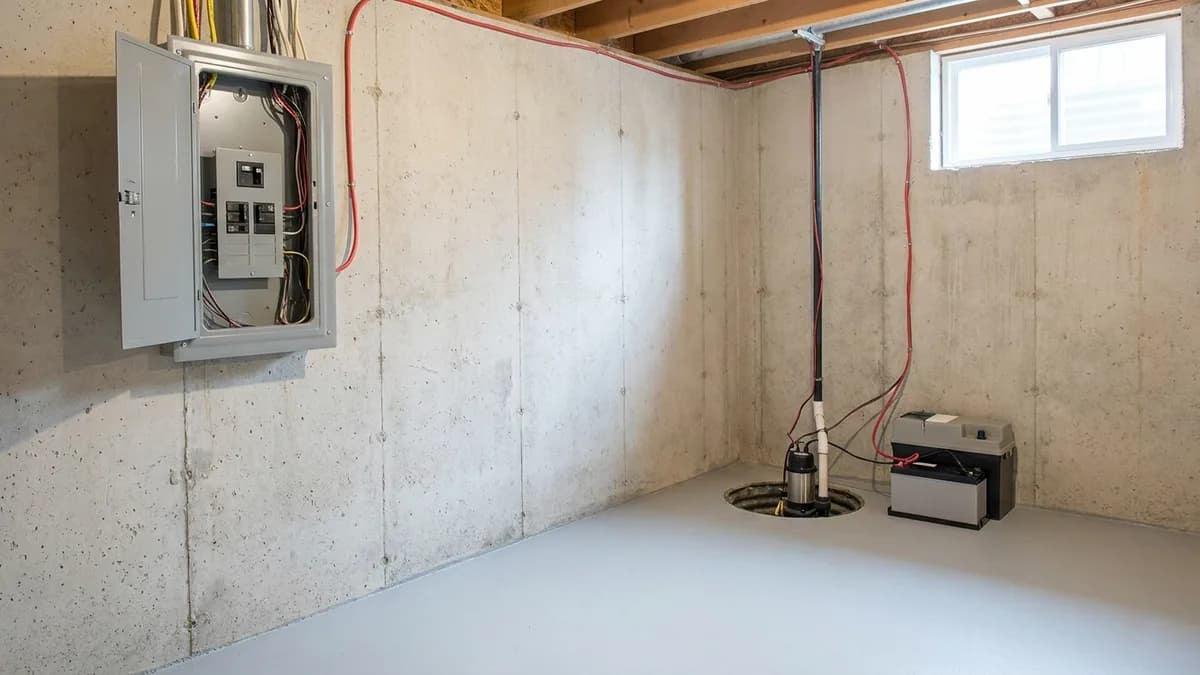
Why Your Sump Pump Needs Its Own Circuit and a Battery Backup
The day your sump pump matters most is the day a storm overloads its circuit or cuts the power entirely. Here is why a dedicated circuit plus a battery backup is the electrical half of a dry basement, what the code actually requires, and why one Warren company can handle the waterproofing, the pump, and the wiring together.
Read More