
Is Your Older Warren-Area Home Due for Rewiring? Knob-and-Tube & Aluminum Wiring
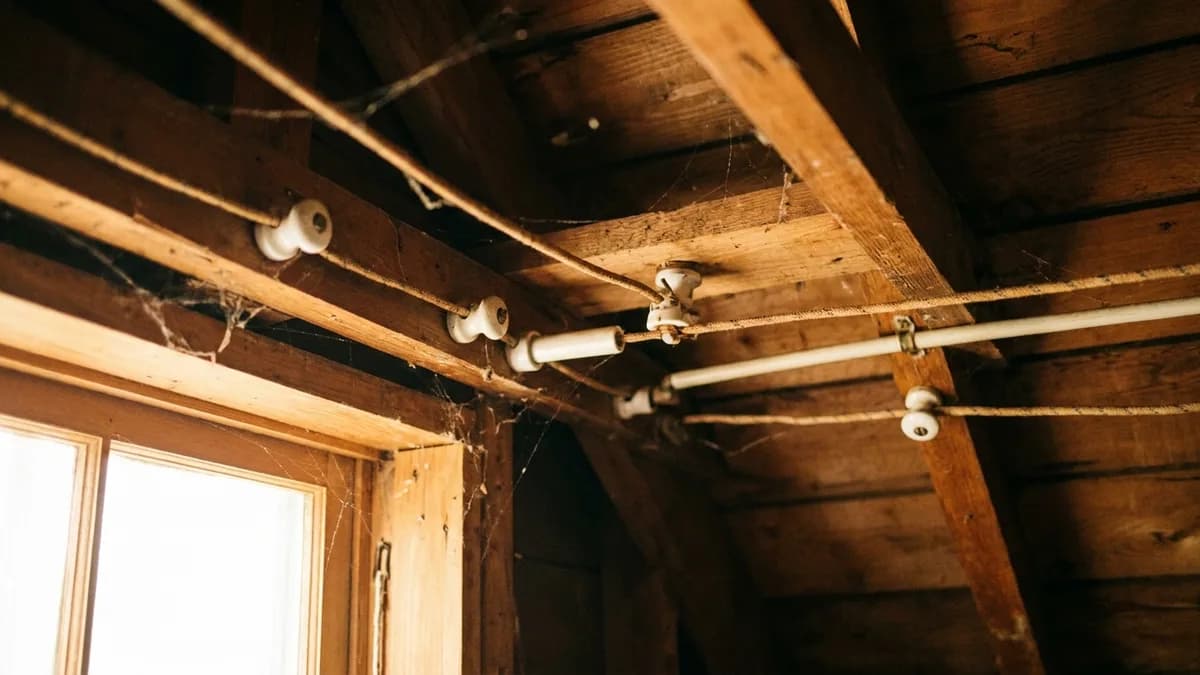
If your Warren-area home was built before the 1970s, there's a real chance it still hides knob-and-tube or aluminum wiring — both of which were never built for the load a modern household puts on them. The tell-tale signs are two-prong (ungrounded) outlets, ceramic knobs and tubes in the attic or basement, breakers that keep tripping, and warm outlets or switch plates. Old wiring is a genuine fire and shock risk, and many insurers now refuse to write or renew a policy on a home that still has active knob-and-tube. If you spot the signs, get a licensed assessment. Call AK Water Works at (330) 574-1507.
Why so many older Valley homes have outdated wiring
The Mahoning Valley is full of good, solid houses that have stood for the better part of a century. Warren, Youngstown, Niles, Girard, and the surrounding towns grew up around steel and industry, and a lot of the housing stock dates to the early 1900s through the 1960s. Those homes were wired for a very different world — a few light fixtures, a radio, maybe a refrigerator. They were never designed to run a modern kitchen, central air, a home office, gaming rigs, space heaters, and an EV charger all at once.
That's the heart of the problem. The wiring itself doesn't “wear out” on a schedule, but it does age, and it was sized for a fraction of today's electrical demand. When a 1925 or 1968 home is still running on its original wiring, the system is quietly working harder than it was ever built to — and that's where the risk starts to show up.
Two kinds of old wiring show up again and again in the Valley's older homes: knob-and-tube (roughly 1900s–1940s) and aluminum branch wiring (roughly 1965–1975). Knowing which one you might have — and how to spot it — is the whole point of this guide.
How to tell if you have knob-and-tube wiring
Knob-and-tube (often shortened to “K&T”) was the standard wiring method from about 1900 into the 1940s. It's easy to recognize once you know what you're looking at — and the attic or an unfinished basement is the best place to look.
You're looking for single insulated wires (not the flat plastic-sheathed cable modern homes use) supported by white ceramic knobs nailed to the framing, passing through ceramic tubes where they cross a joist or stud. The insulation is often a cloth or rubber material that grows dark, brittle, and cracked with age.
Signs your home may have knob-and-tube
Knob-and-tube has no ground wire, its insulation gets brittle with age, and it was never built for a modern home's load. It becomes especially dangerous when later owners bury it under attic insulation, which traps the heat it needs to dissipate. If you find active K&T, don't add insulation over it or overload its circuits — have it assessed.
How to tell if you have aluminum wiring
Aluminum branch wiring is the other big one, and it's newer — used widely from about 1965 to 1975, when copper prices spiked and builders switched to cheaper aluminum. Homes built or added onto in that decade across Warren, Howland, Cortland, Boardman, and Austintown are the ones to watch.
Unlike knob-and-tube, aluminum wiring isn't a fittings-and-knobs giveaway — it looks like ordinary sheathed cable. The clues are more subtle:
- Check the cable jacket. Where wiring is visible in the basement, attic, or at the panel, the printing on the jacket may read “AL” or “ALUMINUM.” The exposed conductor itself is dull silver rather than copper-colored.
- Watch for warm or discolored outlets and switches. Aluminum expands, contracts, and oxidizes at its connections, so loose, overheating terminals are the classic symptom.
- A build or major renovation date between 1965 and 1975 raises the odds significantly.
Don't go poking behind live outlets to check. If you want to know for sure whether you have aluminum wiring, that's exactly what a licensed assessment is for — a qualified electrician can confirm it safely and tell you whether you need corrective connectors at each device or a full copper rewire.
You don't always have to replace all of it
Aluminum wiring is a recognized fire hazard, but a whole-house rewire isn't always the answer. Depending on the home, the fix can range from installing proper corrective connectors (rated for aluminum) at every outlet, switch, and junction, to replacing the aluminum branch runs with copper. The right call comes out of an honest inspection — not a guess.
The real risks: fire, shock, insurance & code
Outdated wiring isn't just an inconvenience. It carries four distinct risks that tend to arrive together:
| Risk | Why old wiring causes it |
|---|---|
| Fire | Brittle K&T insulation, overloaded circuits, and loose aluminum connections all overheat. Heat plus decades-old insulation is how electrical fires start behind walls. |
| Shock / electrocution | Ungrounded (two-prong) wiring gives a fault nowhere safe to go, leaving appliances and people exposed — especially in kitchens, baths, and basements. |
| Insurance trouble | Many carriers won't write or renew a homeowner's policy on a house with active knob-and-tube or unremediated aluminum — or they charge a steep surcharge. |
| Code & resale | Old wiring often can't meet current code (grounding, GFCI/AFCI protection), which can surface during a home inspection and stall or shrink a sale. |
The insurance angle catches a lot of Valley homeowners off guard. You can live in a home for years without incident, then hit a wall at renewal time or when you go to sell — the buyer's inspector flags the wiring, the buyer's lender or insurer balks, and suddenly a rewire is on the critical path to closing. Getting ahead of it is almost always cheaper and calmer than scrambling under a deadline.
Need a Plumber or Waterproofing Expert?
Our team is available 24/7 for emergencies. Call now or schedule online.
Some symptoms are emergencies, not “someday” projects. A burning smell, an outlet or switch plate that's hot to the touch, buzzing from a wall, or scorched / discolored outlets mean you should stop using that circuit and call right away. AK Water Works answers 24/7 at (330) 574-1507.
What rewiring actually involves (and the disruption)
The number-one reason homeowners put off a rewire is the fear of tearing the house apart. It's a fair worry — but a rewire done right is far less disruptive than most people expect. Here's how a licensed rewire on an older home typically goes:
A licensed electrician inspects your wiring, outlets, grounding, and panel, and identifies exactly what you have — knob-and-tube, aluminum, cloth, or a mix. You get a clear scope and a flat, upfront price, not an hourly guess.
The runs are mapped to use existing wall cavities, attic, and basement access wherever possible, so as few walls are opened as possible. Many homes can be rewired in stages, room by room, so you're never without power to the whole house.
Modern grounded copper is routed through the framing, outlets and switches are replaced, and the circuits your home actually needs get added — with cuts kept small and neat.
The electrical permit is pulled and the work is inspected by the local authority, so it's documented and code-compliant — protection for you at resale and with your insurer.
Access points are patched, the panel is labeled clearly, and you get a walkthrough of everything that was done before the crew leaves.
If your old wiring is causing breakers to trip, the panel feeding it is often part of the story. It's frequently smart to pair a rewire with a panel upgrade so your whole electrical system is modernized in one project — less disruption than doing them separately, and one inspection instead of two.
How long does it take? It depends on the home's size and how much needs replacing. A few problem circuits can be a short job; a whole-house rewire may run several days. The honest way to know is an assessment — then you get a timeline along with your flat price. See the full breakdown on our house rewiring & knob-and-tube replacement page.
When to act — and who to call
You don't have to rewire the day you find old wiring. Knob-and-tube and aluminum are “safe to live with until they aren't” — but that's exactly why an assessment matters. It tells you what you actually have and how much runway you've got, so the decision is yours to make on your timeline instead of an insurer's or a buyer's.
Move it up the list if you're seeing any of these:
- Breakers trip repeatedly, even after a panel upgrade
- You have two-prong outlets throughout
- Your insurer has flagged the wiring or you're up for renewal
- You're preparing to sell or just bought an older home
- You smell burning or hot plastic
- An outlet or switch plate is warm or hot
- You hear buzzing from a wall or fixture
- Outlets are scorched or discolored
AK Water Works is the family-owned team Northeast Ohio already trusts for plumbing and waterproofing — and electrical is our fourth trade, run under Ohio Electrical License #38179. We know the Valley's older homes, because knob-and-tube, cloth, and aluminum are exactly what a lot of this housing stock is hiding. We assess first, quote a flat price, and rewire with as little disruption as possible.
Not sure what's behind your walls?
Get a licensed wiring assessment from the family-owned team Warren already trusts. We'll tell you exactly what you have — knob-and-tube, aluminum, or modern — and what, if anything, it needs. Honest answer, flat price, financing available.
Frequently Asked Questions
What is knob-and-tube wiring, and does it need to be replaced?
Knob-and-tube was the standard wiring method from about 1900 to the 1940s — single wires run through white ceramic knobs and tubes in the attic or basement. It has no ground, its insulation grows brittle with age, and it wasn't built for a modern home's load. Many insurers won't cover a home that still has active knob-and-tube, so it's usually worth replacing. A licensed assessment tells you exactly what's involved for your home.
How do I know if my older Warren home has aluminum wiring?
Aluminum branch wiring was common in homes built or renovated between roughly 1965 and 1975. The cable jacket may be printed with “AL” or “ALUMINUM,” the exposed conductor is dull silver rather than copper-colored, and warm or discolored outlets are a classic symptom. Don't open live outlets to check — a licensed electrician can confirm it safely.
Is knob-and-tube or aluminum wiring actually dangerous?
Both carry real risk. Knob-and-tube overheats when it's overloaded or buried under insulation, and it offers no grounding protection. Aluminum loosens and overheats at its connections over time, which is why it's recognized as a fire hazard. Neither is built for the electrical load a modern household puts on it. That said, the right fix isn't always a full rewire — an assessment tells you the safest, most cost-effective option.
Will my home insurance be affected by old wiring?
Often, yes. Many carriers won't write or renew a homeowner's policy on a house with active knob-and-tube or unremediated aluminum wiring, and some charge a surcharge. It also frequently surfaces during a home inspection when you sell. Getting the wiring assessed and, if needed, rewired ahead of time keeps it from becoming a last-minute obstacle.
Do I have to tear open all my walls to rewire an older home?
No. A rewire is planned to use existing wall cavities, attic, and basement access wherever possible, so as few walls are opened as possible and cuts stay small and neat. Many homes can be rewired in stages, room by room, so you keep power throughout. Access points are patched and you get a walkthrough before the crew leaves.
Should I pair rewiring with a panel upgrade?
Frequently, yes. If old wiring is causing breakers to trip, the panel feeding it is often undersized or outdated too. Doing a panel upgrade alongside the rewire modernizes the whole system in one project — usually less disruptive and less costly than tackling them separately. Your electrician can tell you whether it makes sense for your home.
Who does electrical work at AK Water Works?
AK Water Works performs electrical work under Ohio Electrical License #38179, and we're bonded and insured. Electrical is our fourth trade alongside plumbing, sewer & drain, and waterproofing — the same local, family-owned crew and the same 24/7 line, (330) 574-1507. Explore all of our electrical services.
Electrical services provided by Alliance Trade Group LLC, OH Electrical License #38179. AK Water Works is a brand of the AK family of companies serving Warren and the Mahoning Valley.
Need Help With Your Plumbing?
Our team is ready to help with any plumbing or waterproofing need.
Related Articles
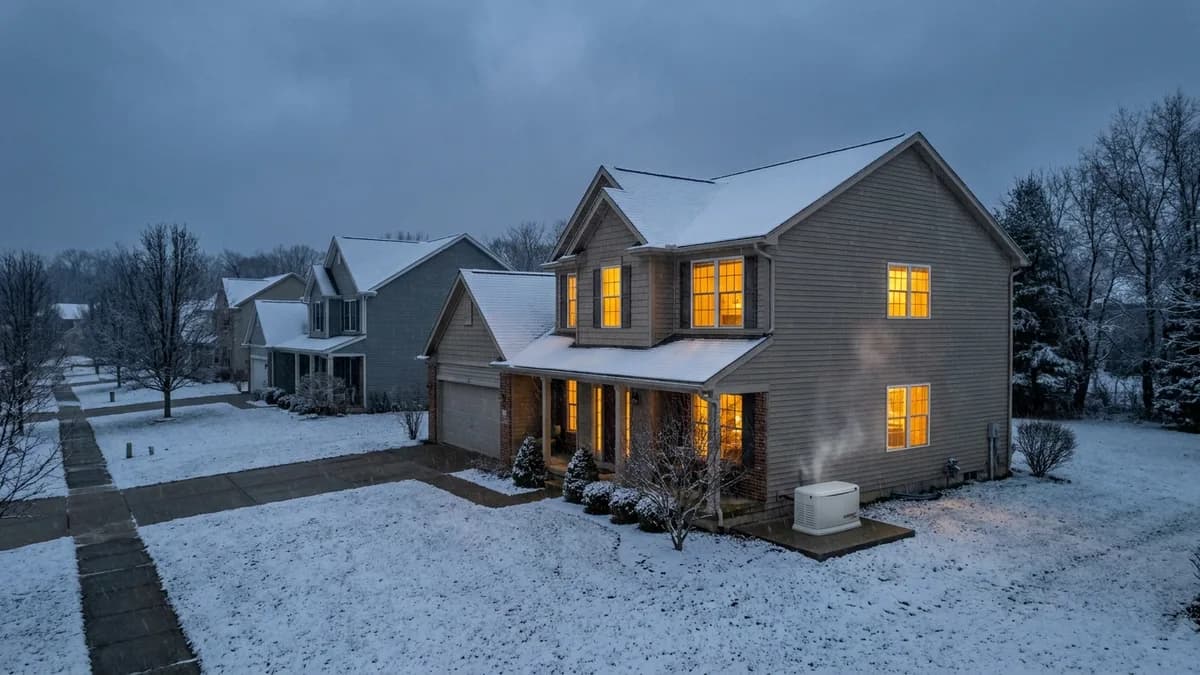
Do You Need a Whole-Home Generator in Northeast Ohio?
Northeast Ohio storms and ice knock out power every year. Here's how to decide if a whole-home standby generator is worth it for your Warren-area home, what it protects, sizing basics, and who does what.
Read More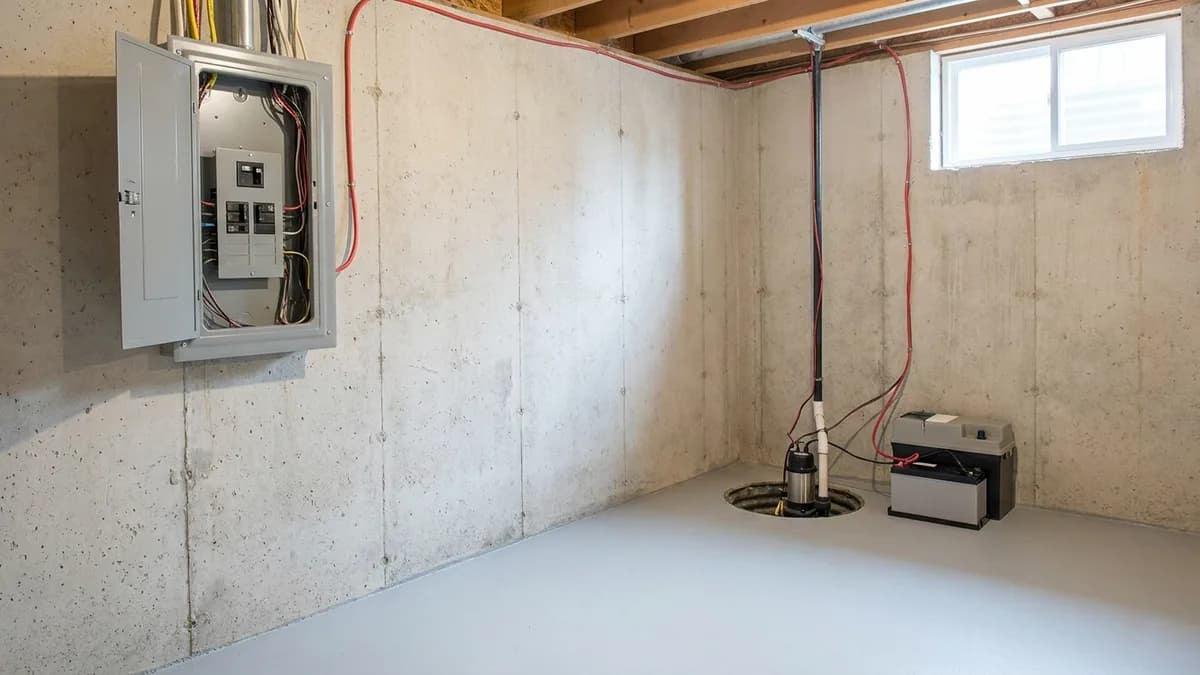
Why Your Sump Pump Needs Its Own Circuit and a Battery Backup
The day your sump pump matters most is the day a storm overloads its circuit or cuts the power entirely. Here is why a dedicated circuit plus a battery backup is the electrical half of a dry basement, what the code actually requires, and why one Warren company can handle the waterproofing, the pump, and the wiring together.
Read More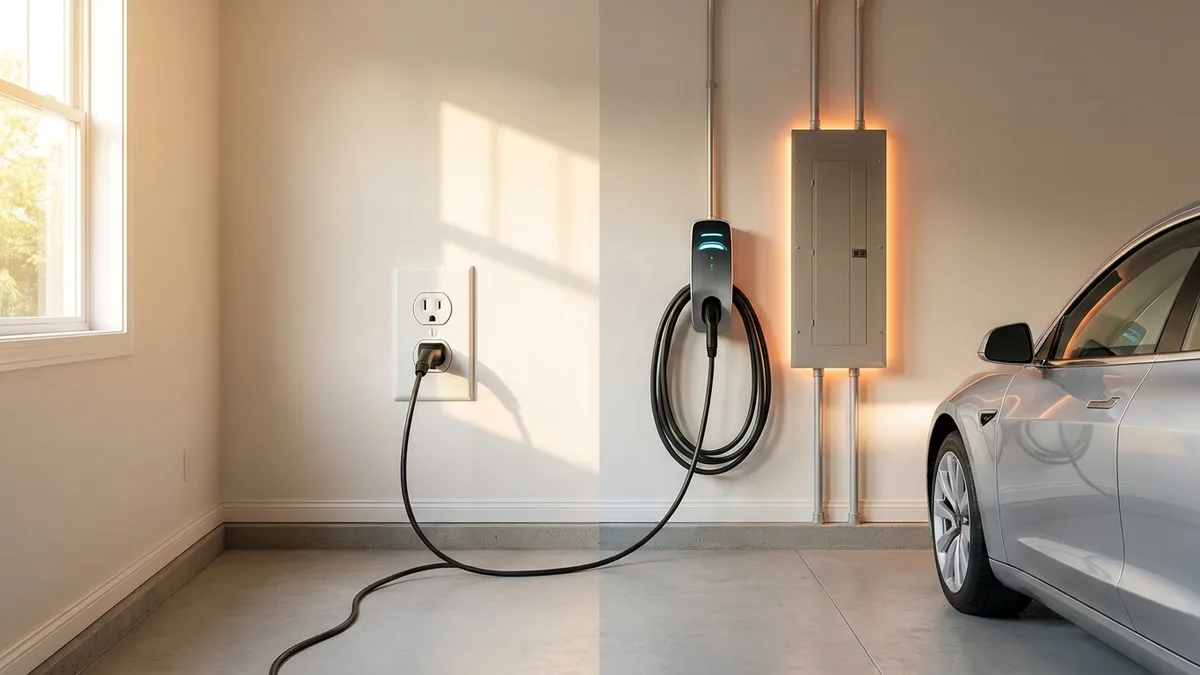
Level 1 vs. Level 2 EV Charging: What to Install at Home
Level 1 charging adds about 3-5 miles of range per hour; Level 2 adds 20-30+ on a dedicated 240-volt circuit. Here is how to decide which one belongs in your Warren, Ohio garage.
Read More