
Do You Need a Whole-Home Generator in Northeast Ohio?
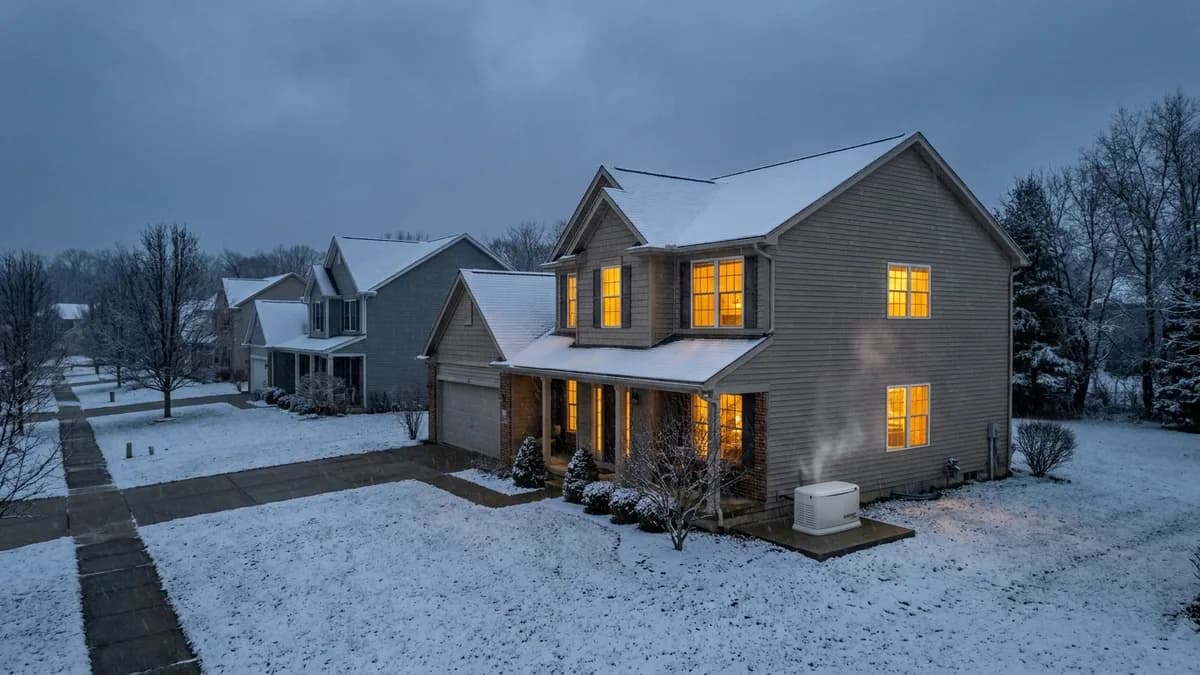
If you live in the Mahoning Valley and lose power more than once or twice a year — or you rely on a sump pump, well pump, medical equipment, or a furnace that can’t sit idle through a winter storm — a whole-home standby generator is worth serious consideration. In Northeast Ohio, the two AK family companies split the job: AK Heating & Cooling supplies and sizes the Generac unit, and AK Water Works handles the electrical install — the transfer switch, dedicated circuit, panel prep, and hookup that make it run safely. Call (330) 574-1507 to talk it through.
The Northeast Ohio outage reality
If you’ve lived through a Mahoning Valley winter, you already know the power doesn’t always hold. Ice storms coat the lines, heavy wet snow drags down limbs, and the wind that rolls in off Lake Erie takes out feeders across Trumbull, Mahoning, and Portage counties every year. Add the summer thunderstorm season — when a single downed tree can dark a whole neighborhood — and it adds up to a region where multi-hour, sometimes multi-day, outages are just part of life.
The grid itself doesn’t help. Much of Northeast Ohio runs on overhead distribution lines strung through mature tree cover, which is exactly the setup that fails first in ice and wind. When a major storm hits, crews prioritize hospitals and main lines, and a residential street can wait a long time for its turn. A whole-home generator takes that timeline out of your hands: the moment utility power drops, your home switches to its own power automatically — whether you’re standing in the kitchen or away for the weekend.
Fall is the smart time to plan this. Demand and installer schedules both spike once the first hard storm rolls through, so homeowners who wire in a generator before winter avoid the rush — and are covered for the season that needs it most.
What a standby generator actually protects
A portable generator and an extension cord can keep a couple of things alive. A permanently installed whole-home standby generator does something different: it powers your home’s wiring directly, automatically, and safely — so the systems that matter most never notice the grid went down. Here’s what that means in a Northeast Ohio home.
🔥 Heat & the furnace
A dead furnace in a January outage isn’t just uncomfortable — it’s how pipes freeze and burst. Backup power keeps the furnace and its blower running, protecting both your comfort and your plumbing.
💧 Your sump pump
The storms that knock out power are the same storms that flood basements. Backup power keeps your sump pump and battery backup running so a wet-weather outage doesn’t become a flooded basement.
🍞 Refrigerator & freezer
A full fridge and freezer hold hundreds of dollars of food. An extended outage means throwing it out — automatic backup means it stays cold, every time.
💉 Well pump & medical needs
Homes on a well lose running water the instant the power stops. Medical equipment — oxygen concentrators, CPAP machines, powered mobility — can’t wait for the utility either. A standby generator keeps them on.
For basements that already have waterproofing or a sump system, backup power is the piece that finishes the job. A waterproofed basement is only as reliable as the circuit powering the pump — which is why AK Water Works so often pairs a dedicated sump-pump circuit with whole-home backup.
Do you need one? A quick self-check
Not every home needs a whole-home generator, and that’s an honest answer. But the more of the following that describe you, the stronger the case — and in Northeast Ohio, most homeowners check several boxes.
You’re a strong candidate if…
If most of those feel familiar, the next question isn’t whether — it’s how big.
Sizing basics: whole-home vs. essential circuits
Generators are rated in kilowatts (kW), and picking the right size is about matching the unit to the load you actually want to carry. There are broadly two approaches, and the right one depends on your home and your budget.
| Approach | Typical size | What it powers | Best for |
|---|---|---|---|
| Essential circuits | 10–14 kW | Furnace, sump pump, fridge/freezer, well pump, some lights and outlets | Homeowners who want the must-haves covered at a lower cost |
| Whole-home | 18–26 kW | Everything above plus central air/heat pump, water heater, and most of the house running normally | Larger homes, or anyone who wants the outage to feel invisible |
The size that’s right for your home depends on square footage, your heating and cooling equipment, whether you’re on a well, and how many large appliances you want running at once. That load calculation is part of specifying the unit — which, in the AK family, is AK Heating & Cooling’s job. They spec the right Generac for your home; the AK Water Works electrical team makes sure your panel and service can carry it cleanly.
Bigger isn’t automatically better. An oversized generator costs more up front and burns more fuel, while an undersized one can overload and shut down at the worst moment. This is exactly why the sizing is done as a calculation, not a guess — and why it’s worth having the unit specced by the team that installs these every week.
Need a Plumber or Waterproofing Expert?
Our team is available 24/7 for emergencies. Call now or schedule online.
Who does what: the unit vs. the electrical install
A whole-home generator is really two jobs: the unit that makes the power, and the electrical work that safely delivers it to your home. The AK family covers both — split between two sister companies so each does what it does best. You don’t have to coordinate a separate dealer and electrician; the two AK companies talk to each other so nothing falls through the cracks.
Our sister company, AK Heating & Cooling, supplies, sizes, and services the Generac standby generator itself. They run the load calculation, recommend the right unit for your home, and handle its ongoing maintenance.
AK Water Works handles the electrical side — the automatic transfer switch, dedicated circuit, panel prep, wiring, and safe hookup that let the generator power your home to code.
Between the two AK companies, your backup power is covered end to end — from the unit outside to the wiring in your panel. One call to (330) 574-1507 points you to the right team for each part.
The electrical side, explained
Once AK Heating & Cooling has specced your unit, AK Water Works wires it in. A generator hookup is a defined, permitted electrical job — here’s what that involves.
A licensed electrician reviews your panel, service size, and where the unit and transfer switch will sit, then gives you a flat, upfront price — no surprises mid-job.
If your current service can’t cleanly carry the load, we make room in the panel or recommend a panel upgrade first, so the whole system runs safely.
We install the automatic transfer switch — the brain of the system. It senses when the grid drops, switches your home to generator power in seconds, and switches back when utility power returns, with no cords and no risk of backfeeding the line.
We run the whip, conduit, and grounding between the unit, the transfer switch, and your panel, then make the final connections to code — coordinating with AK Heating & Cooling on the unit itself.
We test the automatic changeover end to end and have the electrical work inspected by the local authority, so the finished install is documented and compliant — protection that matters at resale and with your insurance.
All of it is performed under Ohio Electrical License #38179, by the same family-owned team Northeast Ohio already trusts for plumbing and waterproofing — and answered on the same 24/7 line. For the full breakdown of the install, see our whole-home generator hookup page, or browse all of our electrical services.
Frequently Asked Questions
Do I really need a whole-home generator in Northeast Ohio?
If you lose power more than once or twice a year, have a basement sump pump, run on a private well, work from home, or depend on medical equipment, a standby generator is worth strong consideration in the Mahoning Valley. Our winters produce ice and wind that take down lines regularly, and outages can stretch from hours into days. If none of those apply and outages are rare for you, it may be optional — we’ll always give you an honest read.
What size generator do I need?
It depends on whether you want to power essential circuits (typically 10–14 kW — furnace, sump pump, fridge, well pump, some lights) or run the whole home (typically 18–26 kW). The right size comes from a load calculation based on your home’s square footage, heating and cooling equipment, and appliances. AK Heating & Cooling runs that calculation and specs the unit; AK Water Works confirms your panel and service can carry it.
Does AK Water Works sell the generator itself?
No — AK Water Works handles the electrical install: the automatic transfer switch, dedicated circuit, panel prep, and hookup. The Generac unit itself is supplied, sized, and serviced by our sister company, AK Heating & Cooling. Between the two AK companies, your backup power is covered from the unit to the wiring. Call (330) 574-1507 and we’ll point you to the right team for each part.
Will a generator keep my sump pump running during a storm?
Yes — and it’s one of the best reasons to have one. The storms that knock out power are the same storms that flood basements. With backup power, your sump pump and battery backup keep running through the outage, so a wet-weather power loss doesn’t turn into a flooded basement.
What is an automatic transfer switch?
It’s the brain of a standby generator. The transfer switch senses when the grid goes down, switches your home to generator power automatically, and switches back when utility power returns — safely, without backfeeding the line or requiring you to plug anything in. A permanent whole-home generator needs one, and installing it correctly is exactly the electrical work AK Water Works does.
Do I need a panel upgrade to add a generator?
Sometimes. If your current service can’t cleanly carry the added load, we’ll recommend a panel upgrade or make room in the panel as part of the job. We assess this upfront and quote a flat price before any work starts, so there are no mid-job surprises.
How much does a whole-home generator cost?
Total cost depends on the size of the unit and the electrical work your home needs, so the honest answer is that it’s quoted per home. AK Heating & Cooling prices the unit and AK Water Works quotes the electrical install as a flat, upfront number — financing is available. The best next step is a quick assessment: call (330) 574-1507.
Get Backup Power Ready Before the Next Storm
Talk to the family-owned AK team about a whole-home generator for your Warren-area home. AK Heating & Cooling sizes and supplies the Generac unit; AK Water Works wires in the transfer switch, circuit, and hookup — end to end, done right.
Electrical services provided by Alliance Trade Group LLC, OH Electrical License #38179. AK Water Works is a brand of Alliance Trade Group LLC.
Need Help With Your Plumbing?
Our team is ready to help with any plumbing or waterproofing need.
Related Articles
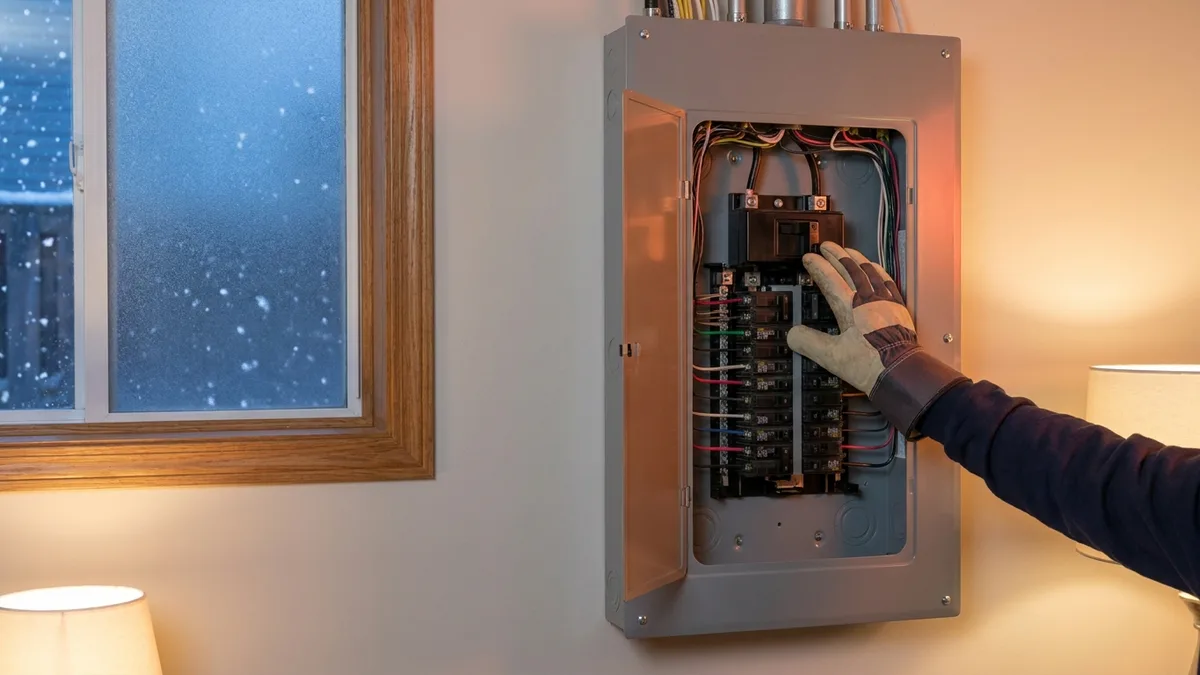
Prep Your Home Electrical System for Winter Storms
A Northeast Ohio winter tests your home's electrical system with outages, ice, and overloaded space heaters. Here's the prep checklist that keeps the lights, the furnace, and the sump pump running.
Read More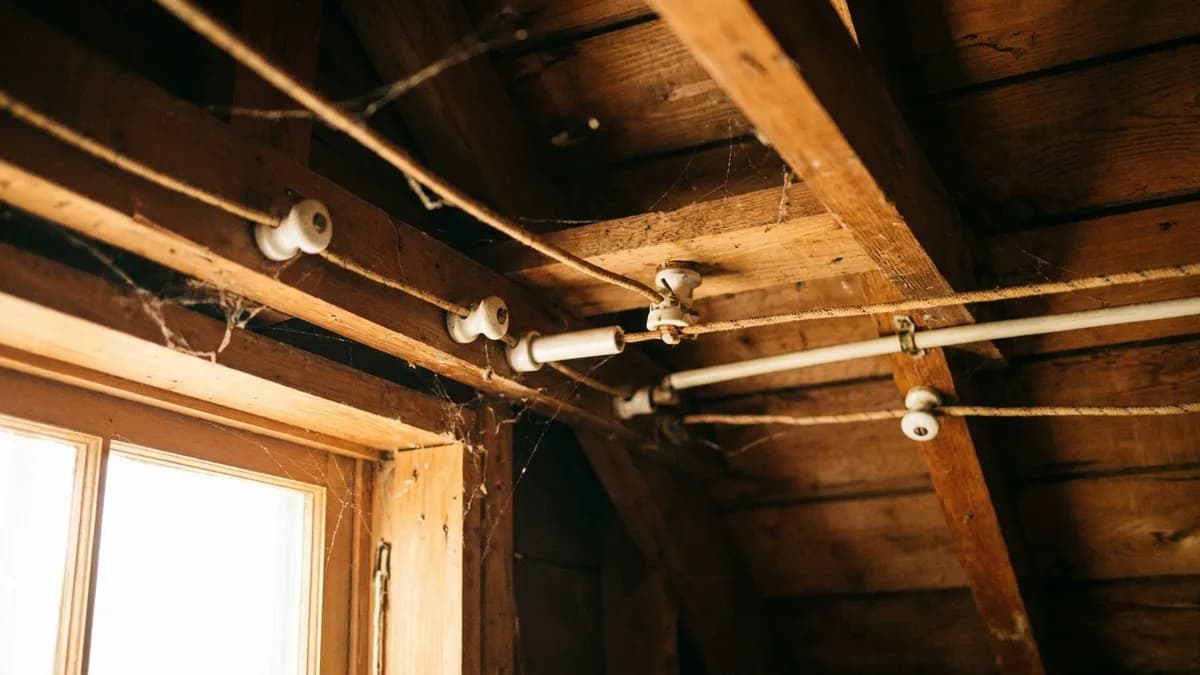
Is Your Older Warren-Area Home Due for Rewiring? Knob-and-Tube & Aluminum Wiring
Older Warren-area homes often hide knob-and-tube or aluminum wiring never built for a modern electrical load. How to spot it, the fire and insurance risks, and what a rewire involves.
Read More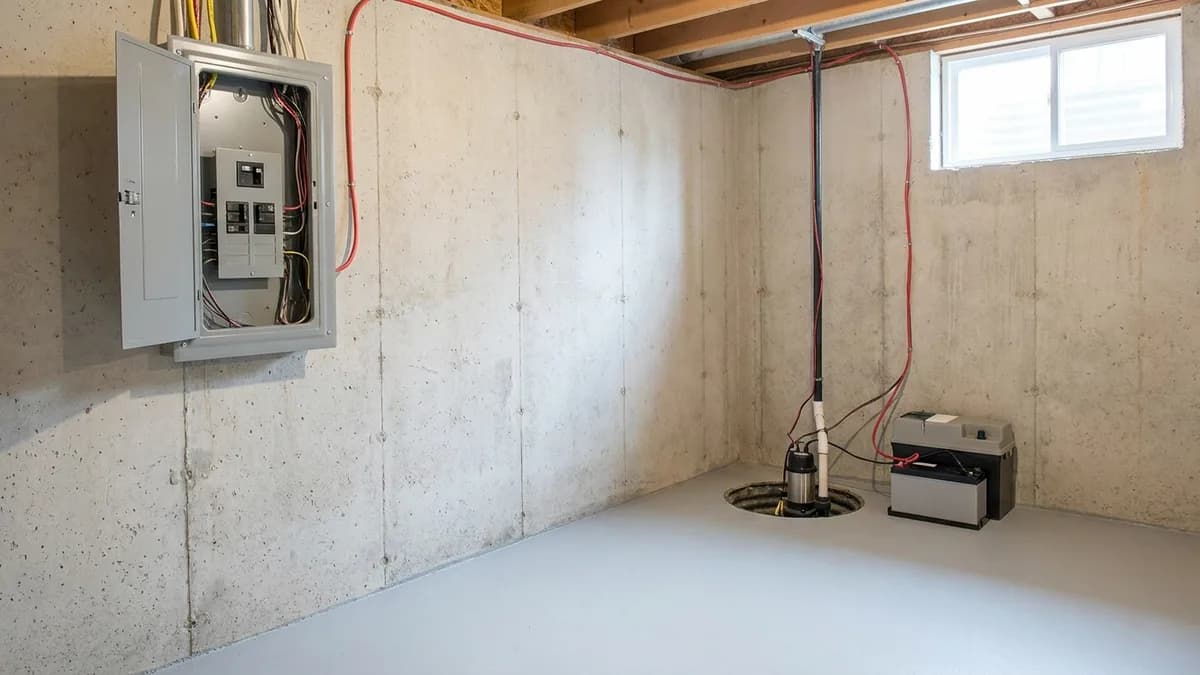
Why Your Sump Pump Needs Its Own Circuit and a Battery Backup
The day your sump pump matters most is the day a storm overloads its circuit or cuts the power entirely. Here is why a dedicated circuit plus a battery backup is the electrical half of a dry basement, what the code actually requires, and why one Warren company can handle the waterproofing, the pump, and the wiring together.
Read More