
Prep Your Home Electrical System for Winter Storms
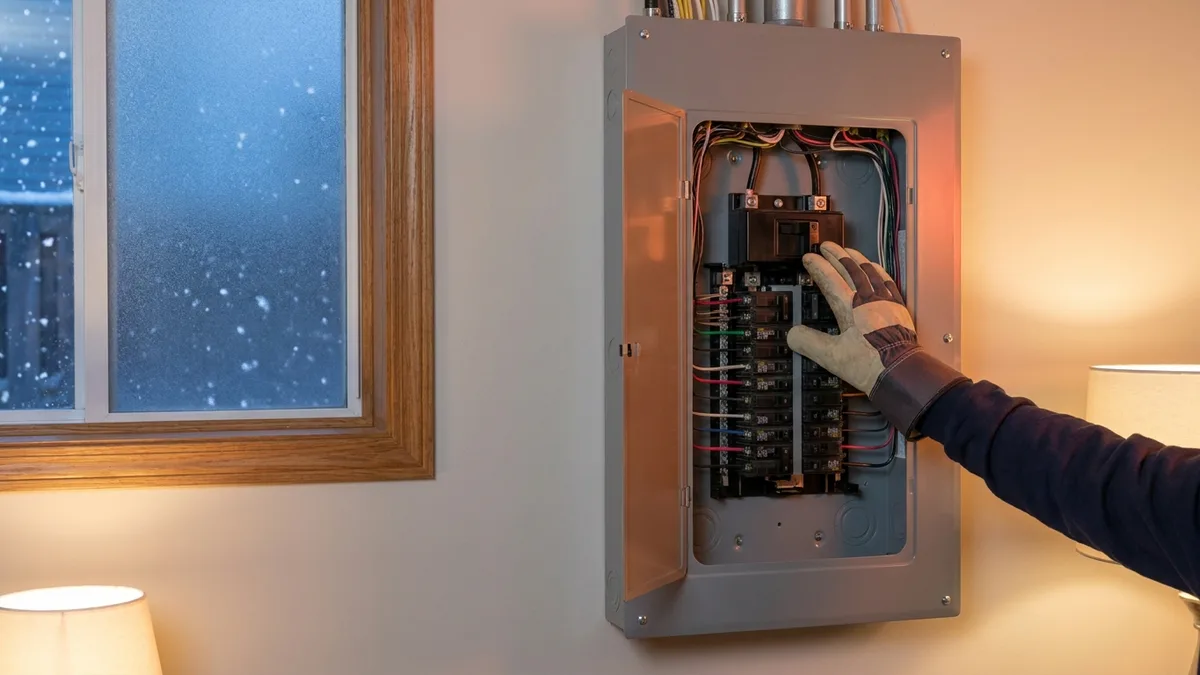
To get a Northeast Ohio home ready for winter, protect the electrical system on three fronts: guard against grid and lightning surges, secure backup power for the furnace and sump pump, and make sure your panel and circuits can carry the extra winter load without tripping. Do the DIY checks below, then have a licensed electrician handle surge protection, generator wiring, and any panel work. Questions? Call AK Water Works 24/7 at (330) 574-1507.
What winter does to a home's electrical system
Winter in the Mahoning Valley is hard on wiring for reasons you can't see from the couch. Ice loads down power lines and drops tree limbs across them, so outages come more often and last longer. When the grid comes back, it often comes back with a jolt — a voltage spike that can quietly cook a furnace control board, a modem, or a TV. And on the coldest nights, every home in Warren is pulling harder: furnace blowers, space heaters, well pumps, and holiday lights all running at once.
Meanwhile, the two systems you need most in a storm — your furnace and your sump pump — both run on electricity. When the power goes out during a January thaw or an ice storm, that's exactly when a basement floods and a house goes cold. A little planning in the fall keeps a bad night from becoming an expensive one.
This is the seasonal companion to our full electrical services hub. Winter prep touches three of our services in particular — surge protection, generator hookups, and sump-pump circuits — and we've linked each one below.
The winter electrical prep checklist
Here's the whole job at a glance. The first group you can walk through yourself in an afternoon. The second group is licensed electrical work — we'll cover why below.
Do it yourself this fall
Have a licensed electrician handle
1. Surge protection: outages and ice storms fry electronics
Most people picture a power surge as a dramatic lightning strike. The bigger winter threat is quieter: the surge that rides back into your home the moment the grid restores after an outage. Every time an ice-loaded line trips and reconnects, that voltage spike travels through your wiring looking for something to damage — and the most expensive targets are the ones you rely on in winter, like your furnace's control board and blower motor.
A power strip under the TV protects one outlet. It does nothing for the furnace, the well pump, the garage door opener, or the modem. Whole-home surge protection is a single device installed at the electrical panel that clamps down on spikes before they spread to any circuit in the house.
Pair a panel-mounted surge protector with point-of-use strips on your most sensitive electronics. The panel device takes the big hit; the strips catch whatever slips through. Learn how the panel-level protection works on our whole-home surge protection page.
For a Warren-area home that loses power a few times each winter, one surge event that kills a furnace board in January can cost more than the surge protector would have. It's the cheapest insurance in this whole guide.
2. Backup power for the furnace and sump pump
When an ice storm takes the grid down for a day, two things in your home suddenly matter more than anything else: the furnace that keeps your pipes from freezing, and the sump pump that keeps your basement dry during the melt. Both are useless without power. This is where backup planning earns its keep.
A standby generator for the whole house
A permanently installed standby generator switches on automatically when the grid drops and runs the essentials — furnace, sump pump, refrigerator, well pump, and lights — until the power returns. The part homeowners underestimate is the wiring. A generator is only as safe as its transfer switch, which isolates your home from the grid so the generator can't backfeed the line and endanger utility crews.
We do the electrical side of a standby generator — the panel work, the transfer switch, and the wiring that make it run safely and to code. The Generac unit itself is supplied and serviced by our sister company, AK Heating & Cooling. Between the two AK companies, your generator is covered end to end. See the electrical scope on our generator hookups page.
Battery backup for the sump pump
Not every home needs a whole-house generator. But almost every home with a basement needs the sump pump to survive an outage — because the storms that knock out power are the same storms that push groundwater up under your foundation. A dedicated sump-pump circuit with battery backup keeps the pump running through an outage, so a waterproofed basement stays a dry basement.
A waterproofed basement is only as reliable as the circuit powering the pump. If your sump pump shares a circuit with other outlets, a winter overload can trip it offline exactly when you need it. Our sump-pump circuits & battery backup service puts the pump on its own protected line — the electrical half of the waterproofing work AK Water Works already does every day.
Need a Plumber or Waterproofing Expert?
Our team is available 24/7 for emergencies. Call now or schedule online.
3. Panel capacity and the space-heater trap
Winter is when your electrical panel works hardest, and it's when an undersized or aging panel finally shows its limits. The classic sign: breakers that start tripping in December when they were fine in October. That's not a nuisance — it's the panel telling you the load has outgrown the circuit.
The single biggest culprit is the space heater. A standard 1,500-watt space heater draws about 12.5 amps — nearly the entire capacity of a typical 15-amp household circuit. Plug it in alongside anything else heavy and the breaker trips, or worse, the wiring runs hot behind the wall.
⚠ Space-heater rules that prevent fires
If you're constantly juggling which heaters can run at the same time, the real answer is often more capacity: a dedicated circuit for a problem room, or a panel upgrade if an older 100-amp service is maxed out. A modern 200-amp panel gives a winter home the headroom it needs. That's electrical work — start on the electrical services hub and we'll size it right.
| Winter warning sign | What it usually means | What to do |
|---|---|---|
| Breakers trip when heaters run | Circuit is overloaded | Redistribute load; consider a dedicated circuit |
| Lights dim when the furnace kicks on | High demand or a loose connection | Have the panel and connections checked |
| Warm or discolored outlets | Loose wiring or overload — a fire risk | Stop using it; call an electrician |
| Burning or fishy smell near the panel | Overheating wiring or terminals | Kill the main if safe; call 24/7 |
| An old fuse box or 100-amp panel | May be undersized for a modern home | Ask about a 200-amp upgrade |
4. GFCI, outdoor outlets, and winter moisture
Melting snow, road salt, and holiday lights put water and electricity closer together than any other season. GFCI (ground-fault) protection is what shuts a circuit off in a fraction of a second when it senses current leaking — the difference between a tripped outlet and a shock.
DIY checks vs. when to call a pro
Plenty of winter prep is a homeowner job: testing GFCIs, checking cords, being smart about space heaters, and keeping the panel clear. Anything that involves opening the panel, adding circuits, or wiring backup power is licensed electrical work — both for your safety and so the job passes inspection.
- Test and reset GFCI outlets
- Inspect and replace cords and strips
- Check smoke and CO alarms
- Manage space-heater placement
- Keep the panel area clear
- Whole-home surge protection
- Generator hookups and transfer switches
- Dedicated sump-pump circuits and battery backup
- Panel upgrades and new circuits
- Any warm outlet, burning smell, or repeat trip
A burning smell, a panel that's hot to the touch, sparking outlets, or losing power on a stormy night are not wait-until-morning problems. Shut off the main breaker if you can do it safely and call (330) 574-1507 right away. We answer 24/7.
Frequently Asked Questions
When should I do winter electrical prep in Northeast Ohio?
Late fall — October into November — before the first hard freeze and the first ice storm. That gives you time to test GFCIs and cords yourself and to schedule any surge protection, generator wiring, or panel work before you actually need it in a January outage.
Do I really need whole-home surge protection?
If your home loses power more than once or twice a winter, yes. The spike when the grid restores after an outage is a leading cause of damage to furnace control boards and other electronics. A single panel-mounted device protects every circuit at once — far more than a plug-in strip can.
Will a generator keep my sump pump and furnace running?
Yes, when it's wired correctly. A standby generator with a proper transfer switch can run your furnace, sump pump, refrigerator, and lights during an outage. We install the electrical side — the panel, transfer switch, and wiring; the generator unit itself comes from our sister company, AK Heating & Cooling.
Why do my breakers keep tripping in winter?
Almost always an overloaded circuit — usually a space heater sharing a line with another heavy appliance. The breaker is protecting the wiring by shutting off. Redistribute the load, and if it keeps happening, you likely need a dedicated circuit or a panel with more capacity. Don't just keep resetting it.
Is it safe to run a space heater on an extension cord?
No. Space heaters should plug directly into a wall outlet. Extension cords and power strips aren't rated for the sustained high draw of a heater and can overheat, which is a real fire risk on cold nights when heaters run for hours.
What should I do if I smell burning near my electrical panel?
Treat it as an emergency. If you can safely reach the main breaker, shut off power to the home and call a licensed electrician immediately. A burning or fishy smell near a panel points to overheating wiring or terminals. Call AK Water Works 24/7 at (330) 574-1507.
Get your home electrical-ready before the first storm
From whole-home surge protection to generator hookups and backup for your sump pump, AK Water Works handles the electrical side of winter prep — done to code by the family-owned team Northeast Ohio already trusts. True 24/7 emergency service when a storm can't wait.
Need Help With Your Plumbing?
Our team is ready to help with any plumbing or waterproofing need.
Related Articles
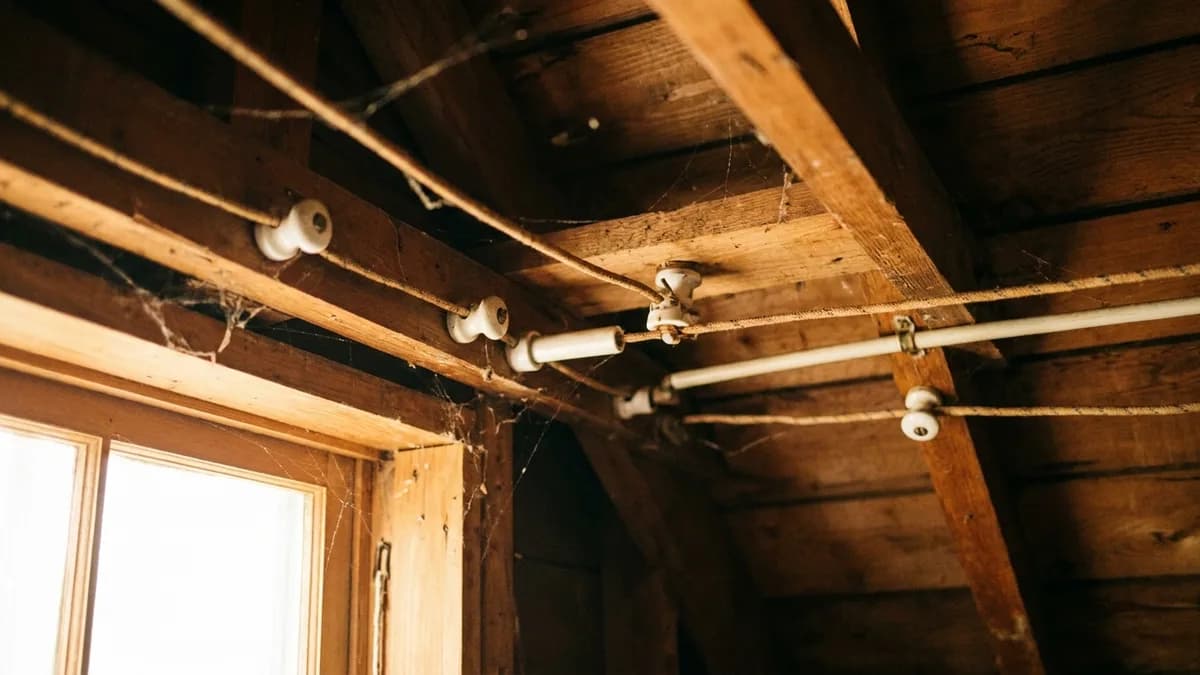
Is Your Older Warren-Area Home Due for Rewiring? Knob-and-Tube & Aluminum Wiring
Older Warren-area homes often hide knob-and-tube or aluminum wiring never built for a modern electrical load. How to spot it, the fire and insurance risks, and what a rewire involves.
Read More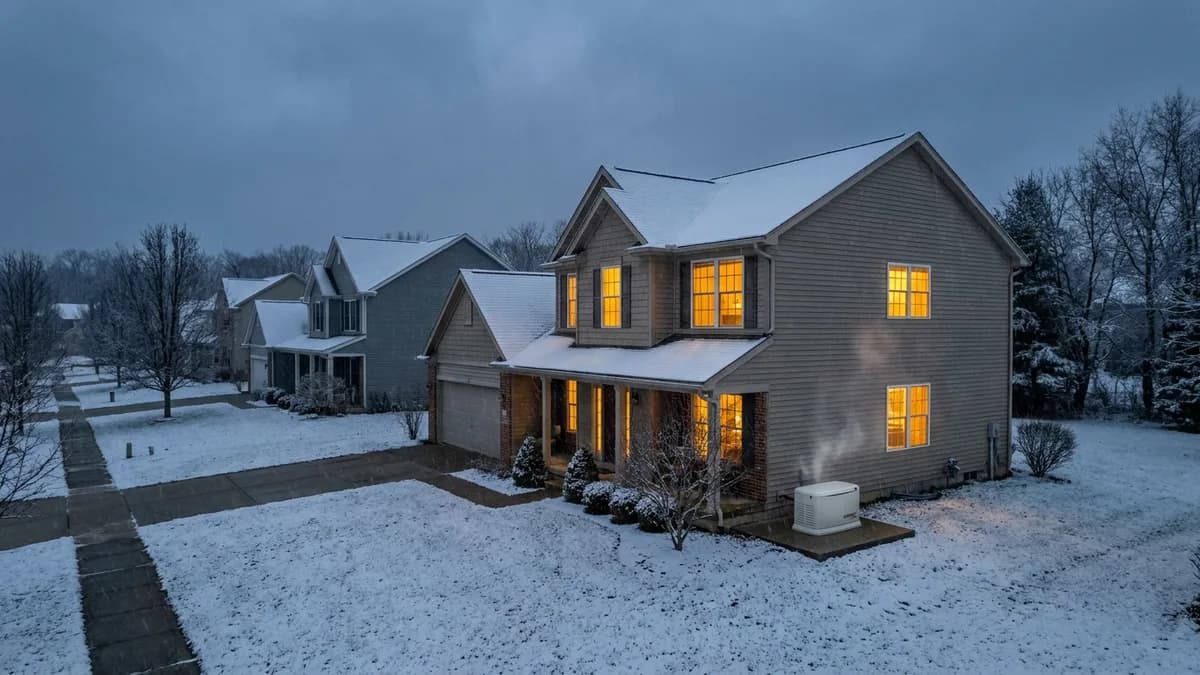
Do You Need a Whole-Home Generator in Northeast Ohio?
Northeast Ohio storms and ice knock out power every year. Here's how to decide if a whole-home standby generator is worth it for your Warren-area home, what it protects, sizing basics, and who does what.
Read More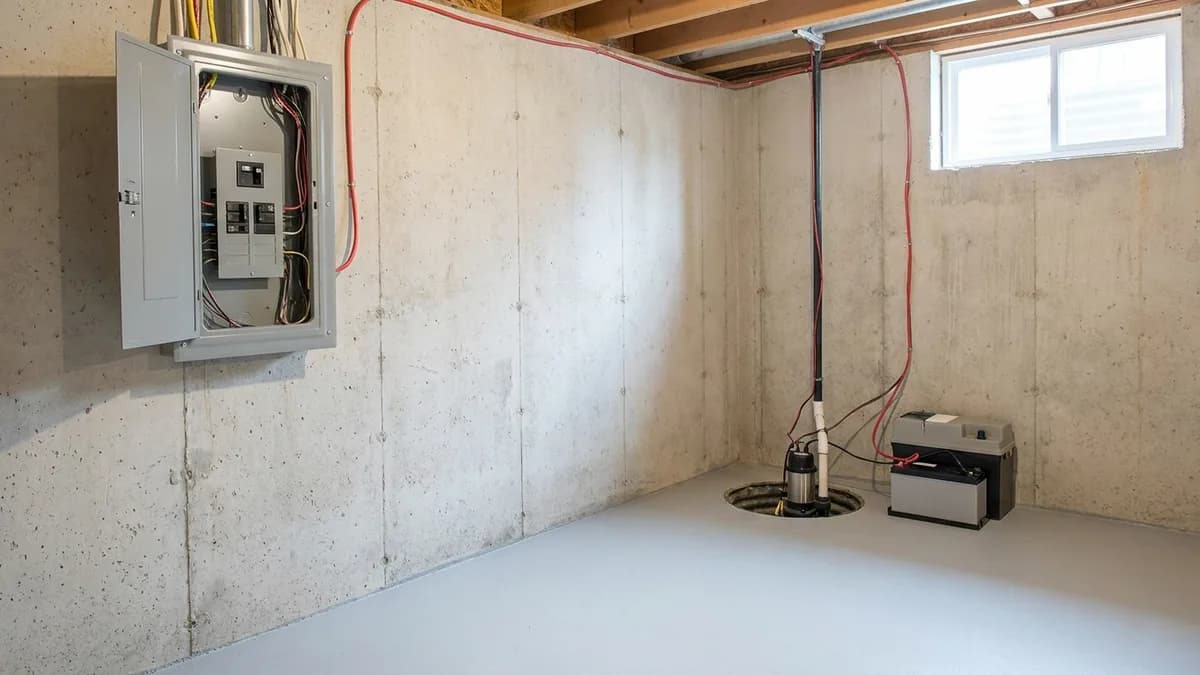
Why Your Sump Pump Needs Its Own Circuit and a Battery Backup
The day your sump pump matters most is the day a storm overloads its circuit or cuts the power entirely. Here is why a dedicated circuit plus a battery backup is the electrical half of a dry basement, what the code actually requires, and why one Warren company can handle the waterproofing, the pump, and the wiring together.
Read More