
Everything You Need to Know about Mold in Basements
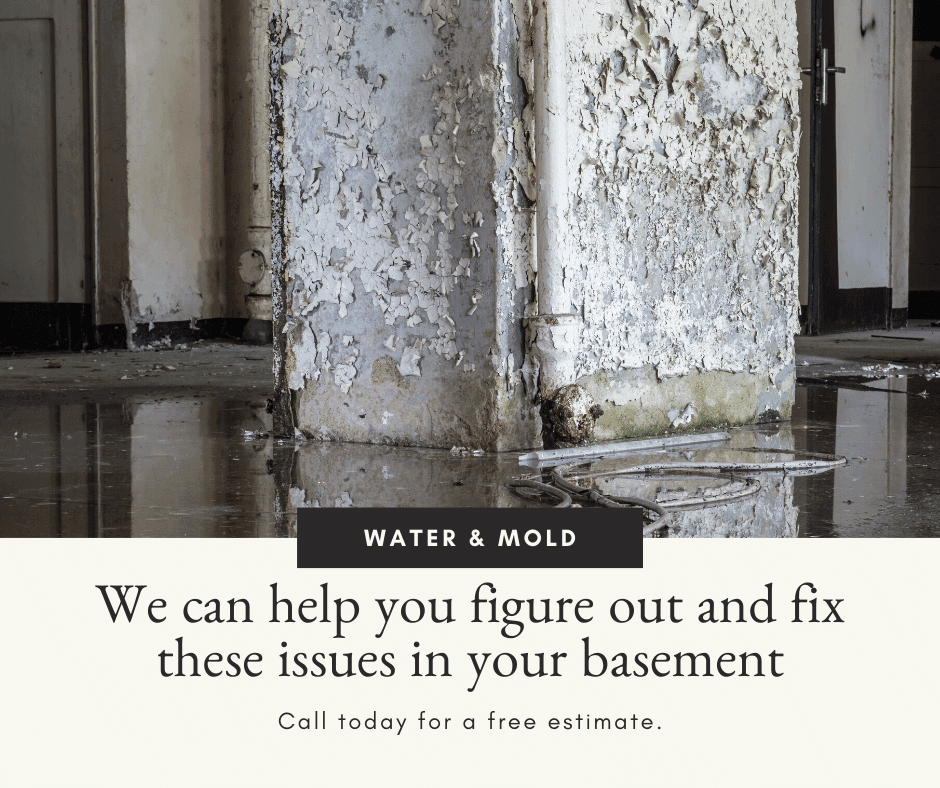
Have you recently experienced leaks, flooding, or extreme humidity in your basement? Even if you haven't, it's good to know what to do when and if your basement is overloaded with moisture, because it could mean you have a mold problem.
Regular basement mold tests should be conducted. If you know there is excess moisture in the basement, notice an unpleasant smell, or haven't checked in a while, it's a good idea to do it now. It's also important to take steps to prevent mold or fungus growth because it can cause serious health issues for you and your family, and if you let it get out of control, it can be incredibly difficult to get rid of.
It's important to know what mold is, what conditions cause it to grow, and how you can prevent it from invading your home and basement.
If you find mold in your home, you also need to know how to get rid of it effectively, sanitize your home correctly, and protect your home from future growth.
Mold 101
What is mold?
Mold is a type of fungus. It is found growing in humid and wet areas, such as a damp basement, and is different from organic mold found outdoors.
Why is mold harmful?
As mold grows, it releases spores into the air, which can cause illness if inhaled. Toxic mold exposure can lead to allergic reaction symptoms such as sneezing, runny nose, itchy eyes, congestion, and even skin irritations. It can trigger asthma attacks and cause serious problems for individuals who have weakened immune systems. If left unchecked, mold will also eventually destroy the things it grows on.
Where does mold come from?
Mold can get into your home through any open windows, doorways, air conditioning and heating systems, and any other spaces that lead into your home. Mold spores can also attach themselves to clothing, shoes, and pets.
Once mold spores settle into a space with excess moisture, such as a leaky basement, they will grow rapidly.
How do I know if I have mold?
Mold is greenish-black and has a damp, musty scent. You probably don't need to buy a mold test kit, especially if the fungus is visible. If you can see it or smell it, the CDC advises that it should be removed, regardless of the type of mold it is.
Does a flooded basement always mean mold will grow?
Basement flood mold typically takes 24 to 48 hours to grow after flooding if the right conditions are met. It depends on the type of surfaces and materials, the temperature, and the amount of moisture. Indoors, mold generally grows faster on softer surfaces in dark, warm (70 degrees or more), and humid environments.
The chance for spores to spread from one area to another increases with time. It can quickly fill the air and spread throughout your home, affecting more and more regions and endangering your health with every passing hour.
Mold spores that start to colonize surfaces within 24 hours become visible in about 18 to 21 days after the flooding. However, this only happens if no action has been taken to dry the water and restore the affected surfaces.
For these reasons, it's essential to address water and moisture issues as soon as a flooding incident occurs. The faster the cleanup and drying take place, the smaller the chances of significant mold growth.
Dealing with Mold
How to get rid of mold
If you find mold in your basement, get rid of it right away. Remove the infection and sanitize the area. If you see mold in the carpet or on furniture, it's safer to remove and replace these items instead of trying to save them. If you are unable to do that, you can remove the infection using a combination of bleach, borax, and vinegar. Bleach does not completely kill mold, but it reduces the mold count and neutralizes harmful bacteria.
Need a Plumber or Waterproofing Expert?
Our team is available 24/7 for emergencies. Call now or schedule online.
Once your basement is clean and sanitized, make sure it dries completely. Otherwise, mold may grow back.
Basement Mold Prevention
How to prevent mold in the basement
The best way to prevent mold in your basement is to avoid plumbing leaks, flooding, and humid and musty air. Installing dehumidifiers is a great way to keep the moisture in the air low and prevent mold outbreaks. Basement waterproofing is another smart solution.
Waterproof your basement
To make sure you don't have any mold problems in the future, it's a good idea to waterproof your basement. There are several basement waterproofing solutions to choose from. You can either seal it from the inside or the outside.
Interior Basement Waterproofing
- Concrete waterproofing coating: Waterproofing coatings are thick and cement-like. Once they dry, they adhere permanently to concrete and masonry walls. The coating is applied with a heavy brush. At the final stage of application, swirl the brush to give the wall an attractive, finished look.
- Silicate-based concrete sealers (also known as densifiers): These sealers penetrate and chemically react with the ingredients in the concrete, forming a hard, waterproof surface. They are suitable only for walls that haven't yet been painted or sealed. Because these penetrate the wall, they can't flake off or peel, and you can paint over them (but check the label first).
- Waterproofing paint: This is an acrylic formula, not much different from ordinary wall paint. But it is applied much more thickly.
- Plastic sheets and panels are suitable for wall waterproofing, but only when combined with interior basement drainage systems. They don't stop water from getting through the wall, but they stop it from ruining things in the basement.
TIP: These products will only work if all cracks and gaps are properly sealed. Make sure you fill all cracks and gaps less than 1/8-inch wide with polyurethane caulk. Patch wider cracks with an epoxy filler.
The surest way to waterproof your basement is with a full-scale exterior waterproofing solution. Exterior waterproofing involves excavating around the house to the full depth of the foundation walls and then installing a waterproof coating topped by drainage panels. The panels provide a path for water to flow down to an exterior drain at the bottom of the foundation. From there, water flows (by gravity or with the aid of a sump pump) away from the foundation to another part of your property or into a storm drain.
More information on Basement Waterproofing
Need Help with Basement Mold?
AK Water Works can help! Contact us, and we will promptly send an experienced plumber to your location. Our professionals will determine the necessary repairs to address your water leakage or water invasion problem, and we can waterproof your basement to prevent future leaks and mold issues.
Need Help With Your Plumbing?
Our team is ready to help with any plumbing or waterproofing need.
Related Articles
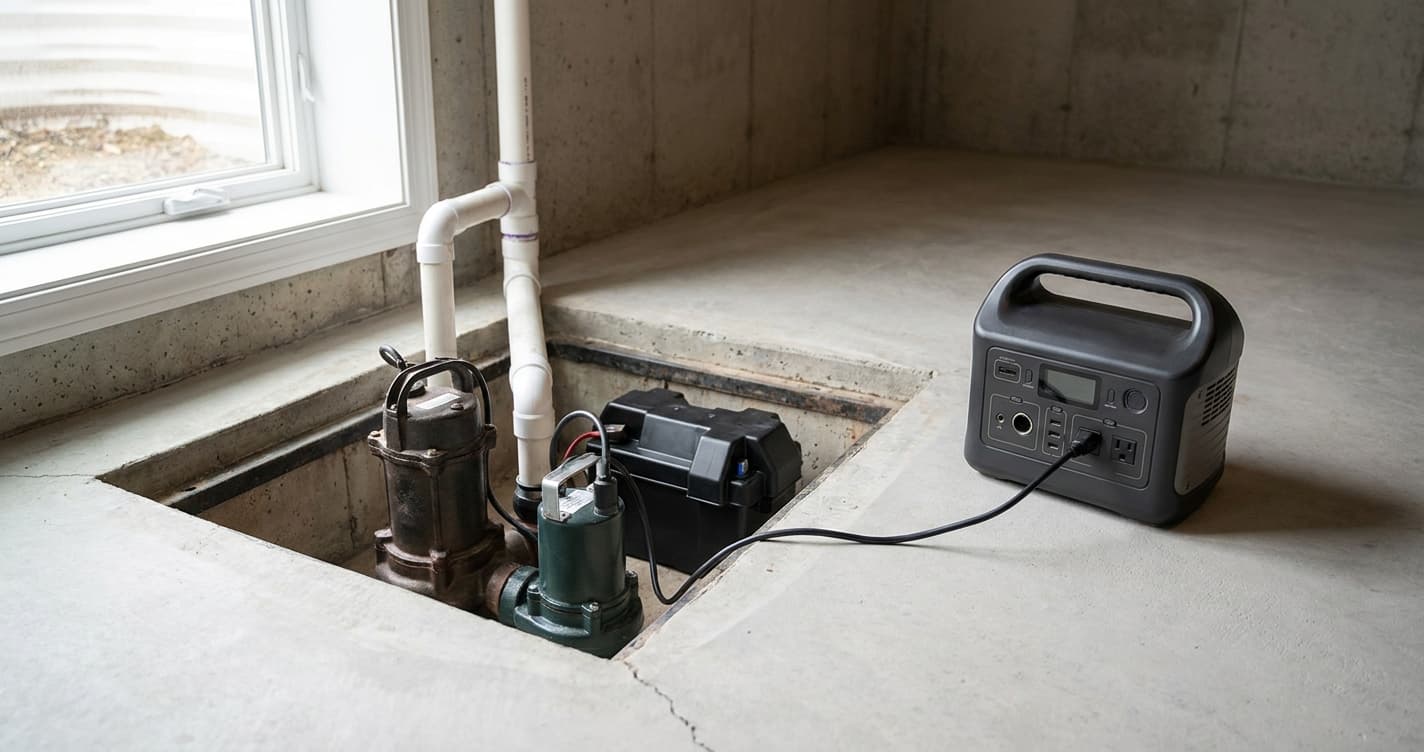
Best Battery Backup Sump Pumps for NE Ohio Homes (2026 Guide)
In Northeast Ohio, the power goes out exactly when your sump pump needs to run hardest. Here are the best battery backup sump pump systems, the portable power stations that can keep a pump running, and how to size the right setup for your home.
Read More
Why Trumbull & Mahoning County Homes Are Prone to Basement Flooding (And What to Do About It)
If you've lived in Trumbull or Mahoning County for any length of time, you probably know someone whose basement floods. It's not bad luck — it's geology, history, and aging infrastructure. Here's what's really happening, and what local homeowners can do about it.
Read More
Why Does My Basement Flood When It Rains? Causes & How to Fix It for Good
A basement that floods every time it rains isn't just inconvenient — it's actively damaging your home's structure, your belongings, and your air quality. Here are the six most common causes and what actually fixes each one.
Read More