
Summer Drain Clogs Explained

If your outdoor drain backs up every summer without fail, you are not unlucky and your pipes are not defective. What you are seeing is the predictable result of a root regrowth cycle that plays out the same way, at the same time of year, in yards all across Warren and Trumbull County. Understanding why it happens is the first step toward stopping it from becoming a flooded lawn or a backed-up basement.
Outdoor drains in Northeast Ohio clog repeatedly in summer because tree roots grow fastest when soil is warm and moist, which is exactly the condition July and August deliver. Roots that were cut or cleared during a previous service regrow into pipes through the same entry points, trapping debris and restricting flow until the drain backs up again. The clog is not random. It is part of a seasonal cycle.
Warren and Trumbull County Have the Conditions Roots Love
The landscape of Warren and Trumbull County is full of mature trees. Silver maples, willows, oaks, and cottonwoods are common in neighborhoods throughout the region, and their root systems can extend far beyond the drip line of their canopy. Underground, those roots are always searching for moisture and nutrients. Your drainage pipes, which carry water year-round, are exactly the kind of target a thirsty root system gravitates toward.
Northeast Ohio summers bring the combination that accelerates root growth the most: warm soil temperatures and periodic heavy rain. When the ground heats up and moisture is present, root tips that were dormant or slow-growing through the cooler months shift into a higher gear. Small roots that found a hairline crack or a loose joint in a pipe during spring can become a significant obstruction by mid-summer.
Why July and August Hit Hardest
Root growth is not constant throughout the year. In Northeast Ohio, roots experience a period of slow growth during winter, a surge in spring as soil warms, and then a second, more aggressive growth phase in summer when soil temperatures at pipe depth are at their highest. By July, ground temperatures a foot or two below the surface have been climbing for weeks. That warmth, combined with the moisture that summer storms deliver, creates ideal conditions for root expansion inside drainage infrastructure.
Here is the timeline that plays out in many Warren and Trumbull County yards. In May, soil warms and dormant roots begin extending again. Through June, fine feeder roots probe for moisture and can begin threading into small cracks or corroded joints in older pipes. By July, those feeder roots have matured enough to trap passing debris. Grease, sediment, leaves, and organic matter begin building up around the root mass. By August, the accumulation is enough to restrict or completely block flow, and the drain backs up. If a plumber cleared your line last summer, the roots simply regrew through the same entry point and followed the same path.
The Underground Battle: Roots vs. Your Pipes
It helps to picture what is actually happening below your yard. A tree root does not force its way through solid pipe. Instead, it finds an existing weakness, a small crack, a slightly separated joint, a corroded section, and it enters through that gap following the trail of moisture and oxygen that escapes from the pipe interior. Once inside, the root encounters nutrients in passing wastewater and begins to grow more aggressively. Over weeks and months, it branches out into a fibrous mass that acts like a net, catching everything that flows through the line.
The pipe itself then becomes part of the problem. As roots grow inside it, they can apply pressure that widens the original crack, invite more root growth, and in severe cases cause sections of pipe to shift or collapse. What started as a slow drain becomes a structural issue if left unaddressed long enough.
Three Signs Your Roots Are Growing Into Pipes
Root intrusion tends to announce itself before the drain fully stops working. Knowing what to look for lets you call for help before a slow drain turns into standing water in your yard or a backup inside your home.
- Drains that were cleared last summer are slow again by July or August. If this has happened more than one summer in a row, you are watching the regrowth cycle repeat, not experiencing a new or separate problem.
- Gurgling sounds coming from floor drains, outdoor drains, or toilets after heavy rain. Gurgling usually means air is being pushed back through the system by a partial blockage that is restricting normal flow.
- Multiple drains in the home backing up at once, or outdoor drains that overflow during a rain event that never caused problems before. Root intrusion in a main sewer or drain line affects every fixture connected to it, not just one.
Need a Plumber or Waterproofing Expert?
Our team is available 24/7 for emergencies. Call now or schedule online.
Clogged Again? It Is the Cycle, Not Bad Luck
One of the most frustrating things homeowners say when dealing with a summer drain clog is that they already had this fixed. That frustration makes complete sense, and it points to a real gap between what most emergency drain service delivers and what a recurring root problem actually needs. Clearing a root clog removes the obstruction but does not close the entry point. The root system connected to that pipe is still alive, still growing, and will send new growth back through the same opening following the same moisture trail.
Solving a root regrowth problem for more than one season usually requires understanding what caused the entry in the first place. A camera inspection of the drain line shows exactly where roots are entering, the condition of the pipe at that location, and whether the solution is a chemical root treatment, hydro jetting, pipe repair, or a combination. Without that information, clearing the clog is a temporary fix that buys time until August rolls around again.
Before Your Drain Floods: What You Can Do Now
The best time to address a root regrowth problem is before the drain backs up completely. If your outdoor drain has a history of summer clogs, August is not too late to act, but acting before the full blockage develops means you avoid the emergency, the mess, and the urgency fee that comes with a flooded yard call.
At AK Water Works, we work with Warren and Trumbull County homeowners on exactly this kind of recurring problem. We know the trees in this area, we know the pipe materials common in older neighborhoods throughout the region, and we bring camera inspection capability to every drain call so we can show you what is happening underground rather than just guessing. One call covers the diagnosis, the clearing, and the conversation about whether there is a longer-term solution that stops the cycle for good.
Need Help With Your Plumbing?
Our team is ready to help with any plumbing or waterproofing need.
Related Articles

Clay Drains: Warren & Niles
Homes built before 1980 in Warren and Niles are far more likely to have clay or cast iron drain lines that are cracking, corroding, or full of roots. A camera inspection is the only way to know what is actually down there.
Read More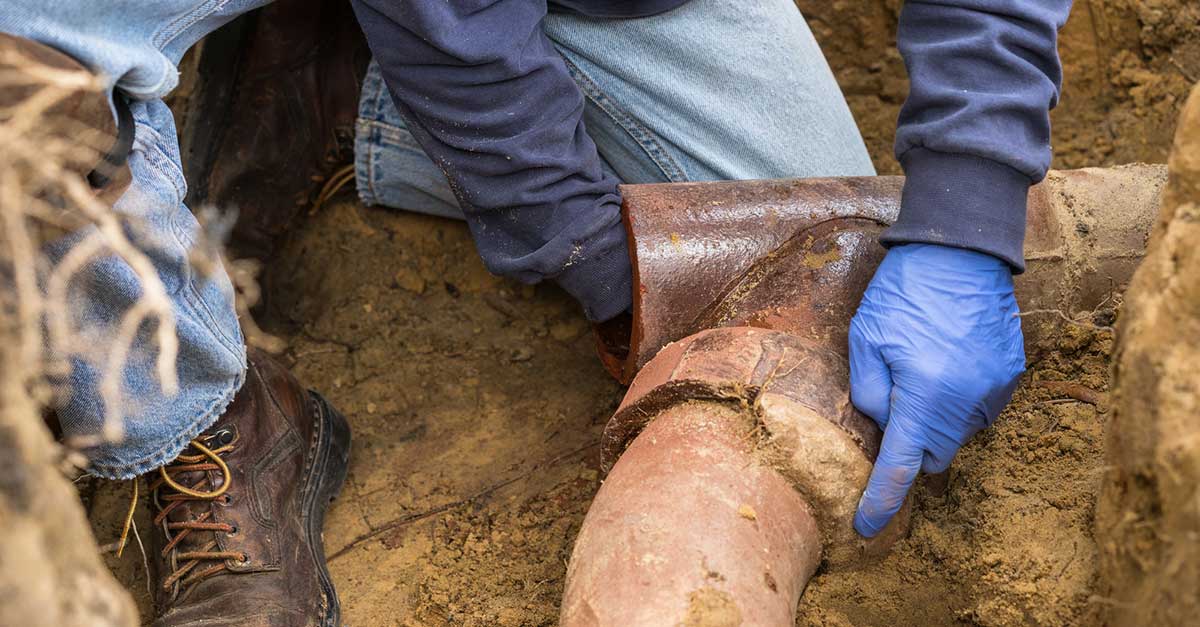
Tree Roots in Your Sewer Line: Options, Costs & How to Prevent Them Coming Back
Tree roots invading sewer lines are the number-one cause of sewer backups in Northeast Ohio — and one of the most expensive plumbing problems homeowners face. Here's exactly what your options are, what it costs, and how to stop it from happening again.
Read More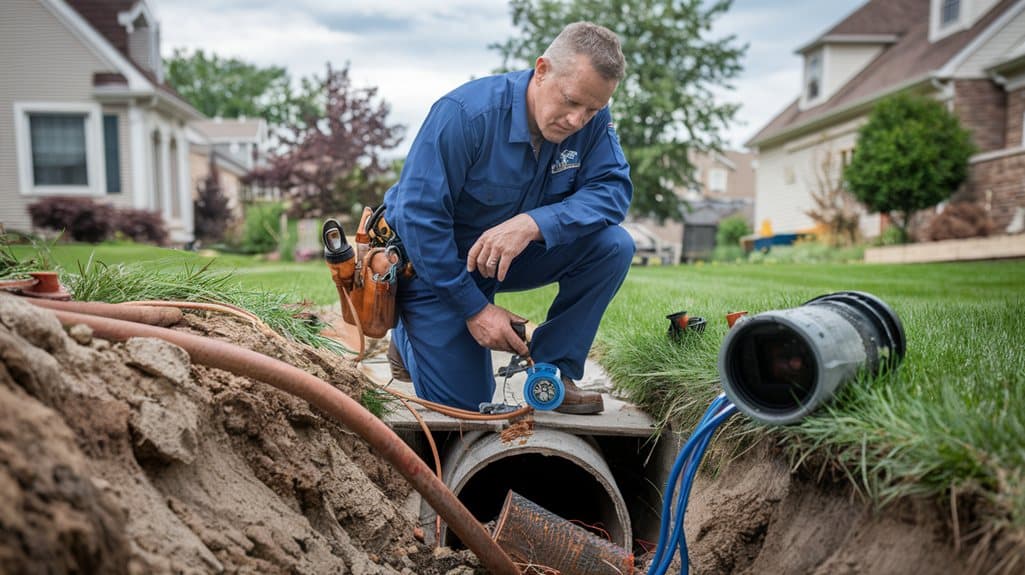
Why Timely Drain Cleaning Matters for Boardman Ohio Residents
Timely drain cleaning is essential for Boardman, Ohio, residents as it prevents major plumbing issues and costly repairs. By keeping drains clear, we prevent clogs that can lead to flooding, water damage, and health risks such as mold growth. Professional cleaning enhances home hygiene by eliminatin
Read More