
Clay Drains: Warren & Niles

If your Warren or Niles home was built before 1980, the drain line running from your foundation to the street is most likely clay tile or cast iron. Both materials were standard for decades, and both are now well past the age at which they reliably hold up. A camera inspection threads a small waterproof lens through that pipe and sends back footage that is often the first time a homeowner has ever seen what their drain actually looks like inside. What shows up on that screen ranges from minor buildup to active root intrusion to sections that have already partially collapsed.
Pre-1980 homes in Warren and Niles are highest risk because clay and cast iron drain lines installed before that period are now 45 or more years old, past the reliable service life of both materials. Camera inspection is the only way to confirm their condition without digging.
Why Clay and Cast Iron Break Down Over Time
Clay tile pipe, also called vitrified clay, does not rust, which is part of why it was used so widely. But it is brittle. A clay sewer line is not one long pipe; it is a series of short sections fitted together at joints, because each piece is heavy and unwieldy to handle. That means a 50-foot run from house to street might have a dozen or more joints. Every joint is a potential entry point for tree roots and a weak spot where soil settlement can cause misalignment. When the pipe shifts even slightly at a joint, the seal breaks. At that point the pipe is open to the surrounding ground.
Cast iron behaves differently but arrives at a similar result. It corrodes from the inside out. Decades of wastewater flowing through cast iron leaves behind hydrogen sulfide gas, which reacts with moisture to form sulfuric acid on the upper interior surface of the pipe. That slow chemical process roughens the pipe wall, builds up scale, and eventually eats through the metal. A cast iron line that looks intact on the outside can have walls thin enough to crumble under light pressure.
Roots, Cracks, and Collapse: The Three Common Findings
Camera inspections of pre-1980 drain lines in this area tend to turn up the same three problems in varying combinations.

- Root intrusion: Tree and shrub roots follow moisture. A hairline crack in a clay joint or a pinhole in corroded cast iron is enough for fine root tendrils to enter. Once inside, they thicken over years into dense masses that catch grease, wipes, and debris. A slow drain that clears with a cable and comes back within months is often root intrusion that was cut but not removed.
- Cracking and joint separation: Clay cracks when the surrounding soil shifts, which happens repeatedly through Ohio freeze-thaw cycles over decades. Cast iron develops longitudinal cracks as corrosion weakens the wall. The camera shows these as visible fractures or gaps where pipe sections have pulled apart, sometimes letting soil fall into the pipe channel.
- Partial or full collapse: This is the end-stage finding. A section of clay pipe that has been cracked and penetrated by roots long enough eventually gives way under the weight of soil above it. The camera image shows an irregular dark void where the pipe profile should be round. Flow through a collapsed section is severely restricted or stopped entirely.
The 1980 Cutoff and Why It Matters Here
Builders began transitioning to PVC for drain and sewer lines in meaningful numbers through the late 1970s, and by the early 1980s PVC had become the dominant material for residential drain work. Homes built after that shift generally have plastic lines with fewer joints, smoother interiors, and no susceptibility to the corrosion that affects cast iron or the root-friendly joint gaps that clay accumulates.
Warren and Niles both have substantial housing stock built well before 1980. Trumbull County grew quickly during the mid-20th century manufacturing boom, and neighborhoods across both cities filled in with homes that are now 50, 60, and 70 years old. That housing age is not a flaw in the neighborhood; it reflects the region's history. But it does mean that the drain line running under a yard on a block in Niles or a street in Warren's west side almost certainly predates PVC. The pipe under the ground is exactly as old as the house above it.
What the Camera Actually Shows
A sewer camera is a small waterproof unit mounted on a flexible cable, pushed through a cleanout or pulled through the drain from an access point. It transmits real-time video to a screen at ground level. A technician reads the footage as it moves through the line, identifying the pipe material, measuring the interior diameter where buildup has reduced it, spotting root masses, locating cracks, and marking where a collapse or severe offset has occurred. The camera unit also carries a locating signal so the technician can identify the horizontal position and depth of any problem area from above ground.
Need a Plumber or Waterproofing Expert?
Our team is available 24/7 for emergencies. Call now or schedule online.
For a homeowner standing at the screen, the inspection makes the invisible visible in a way that a slow drain or occasional backup never does. A drain that clears after plunging can look, from inside, like a pipe that is 60 percent blocked with root mat or grease buildup, still functioning but not for long. A pipe that has not caused any symptom yet can show a crack with soil already intruding. That gap between what the homeowner notices and what the camera finds is exactly why inspection is the useful tool.
Signs That Warrant Calling for an Inspection
Not every slow drain points to a failing main line. But certain patterns in a pre-1980 home are worth taking seriously rather than treating with a bottle of drain cleaner and forgetting.
- Multiple drains in the house running slowly at the same time, which suggests the problem is in the main line rather than an individual fixture branch.
- A drain backup that clears on its own or with minimal effort, then returns within weeks. Recurring backups in clay or cast iron lines often mean roots have re-established after a partial clearing.
- Sewage odor inside the house with no obvious source at a fixture, which can indicate a cracked line under the slab or in the yard allowing gas to seep back through.
- Gurgling sounds from the toilet when another drain runs, a sign that the main line is restricting airflow.
- A home that has never had its main drain line inspected or serviced, especially if it is 50-plus years old and the current owner did not receive a sewer scope report at purchase.
Pre-1980 Home Drain Inspection Checklist
Before scheduling or during a conversation with a plumber, it helps to have a clear picture of what you know and what you do not.
One Inspection Replaces a Lot of Guessing
A homeowner managing a 60-year-old house in Warren or Niles is already managing a property that requires attention. The drain line is one of the few systems where a definitive answer is available without opening a wall, digging a trench, or spending thousands on a repair that may not even address the right problem. A camera inspection gives you footage, a condition assessment, and in most cases a clear recommendation: the line is serviceable, the line needs cleaning and monitoring, or the line needs repair. Those three outcomes represent very different paths forward, and the inspection is what tells you which one applies to your home.
AK Plumbing serves Warren, Niles, and the surrounding Trumbull County area. As a family-owned company that operates out of this community, we see a consistent pattern in the pre-1980 housing stock here: drain lines that have never been looked at, problems that have been developing for years, and homeowners who were relieved to finally know what they were dealing with rather than waiting for the pipe to fail on its own terms.
Need Help With Your Plumbing?
Our team is ready to help with any plumbing or waterproofing need.
Related Articles

Summer Drain Clogs Explained
If your outdoor drain clogs every summer in Warren or Trumbull County, tree root regrowth is likely the cause. Learn how the seasonal root cycle works and what warning signs to watch for before a slow drain becomes a flooded yard.
Read More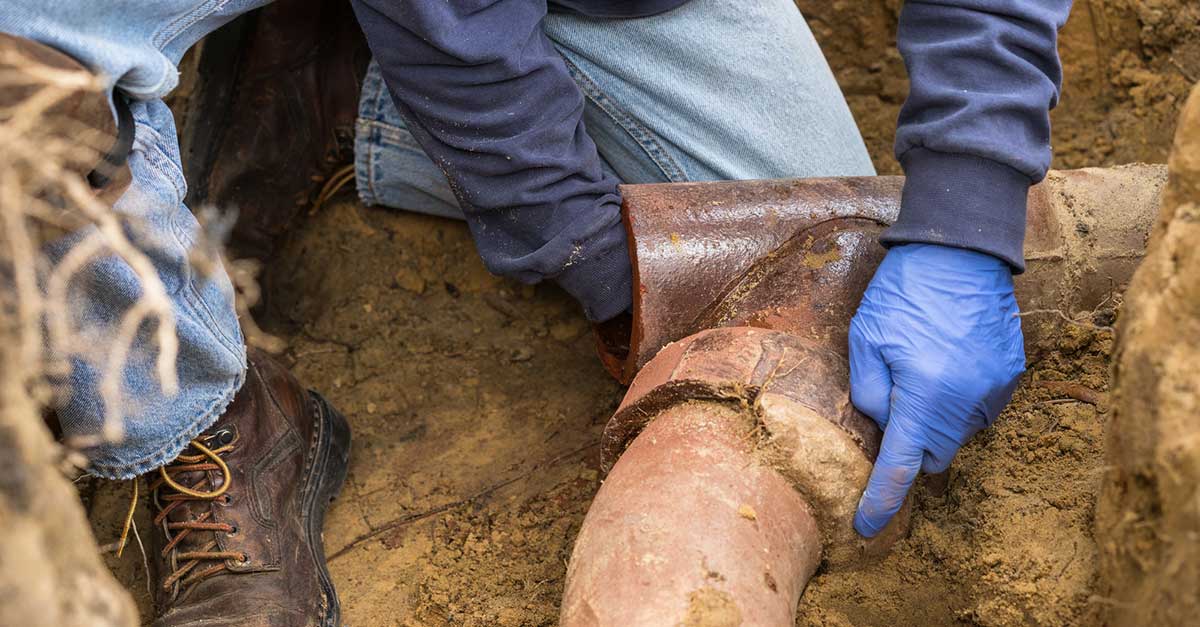
Tree Roots in Your Sewer Line: Options, Costs & How to Prevent Them Coming Back
Tree roots invading sewer lines are the number-one cause of sewer backups in Northeast Ohio — and one of the most expensive plumbing problems homeowners face. Here's exactly what your options are, what it costs, and how to stop it from happening again.
Read More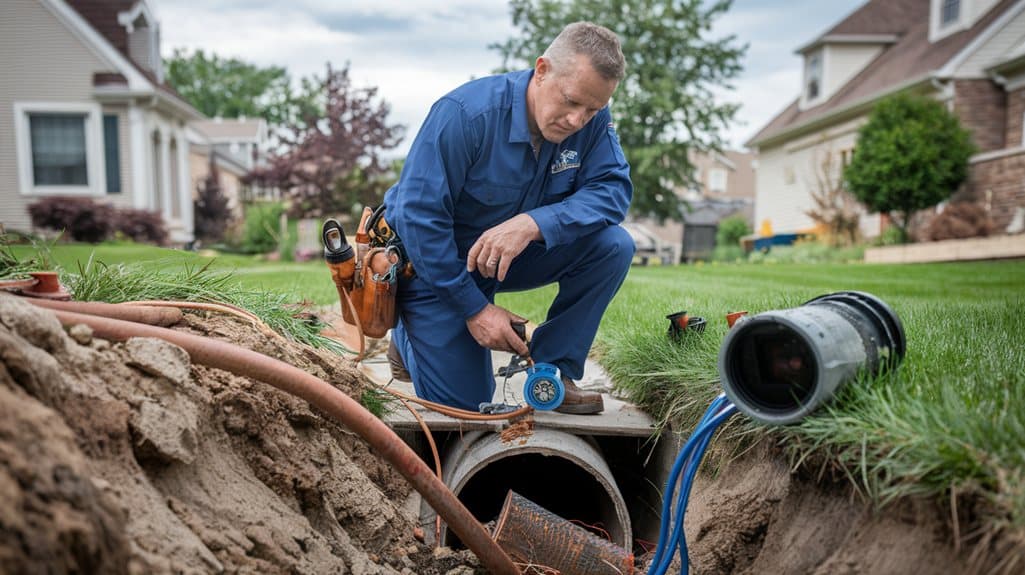
Why Timely Drain Cleaning Matters for Boardman Ohio Residents
Timely drain cleaning is essential for Boardman, Ohio, residents as it prevents major plumbing issues and costly repairs. By keeping drains clear, we prevent clogs that can lead to flooding, water damage, and health risks such as mold growth. Professional cleaning enhances home hygiene by eliminatin
Read More