Backflow Testing for Commercial Properties Tested, Documented, and Filed.
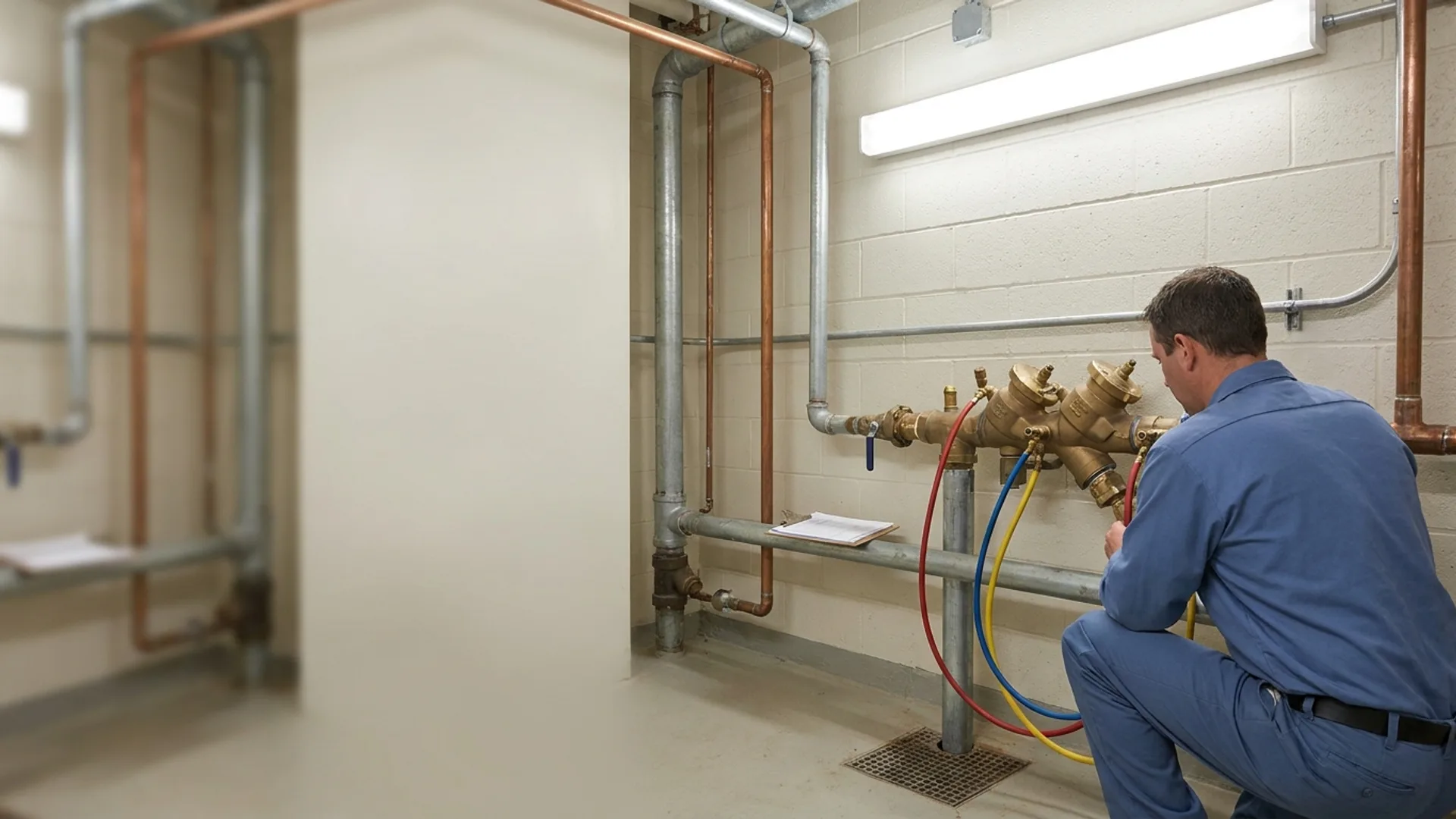
Backflow testing is the annual check of the backflow prevention assembly on your building's potable water supply. A certified tester isolates the device, gauges the check valves and relief valve, and files the result with your water department so the property stays documented.
We test RPZ, DCVA, and PVB assemblies on commercial buildings, restaurants, medical and dental offices, irrigation systems, fire lines, and industrial facilities across Trumbull, Mahoning, and Portage counties. If an assembly fails, we quote the rebuild before we ever bring up replacement.

Backflow testing exists to protect the public drinking water system. Every building with a cross-connection has some point where non-potable water could be pushed or siphoned back out of the property and into the main, and a backflow prevention assembly is the mechanical barrier that stops it. Because the barrier is mechanical, it wears, and because it wears, water purveyors require it to be tested on a set cycle by a certified tester rather than simply assumed to be working.
AK Water Works handles that whole cycle for commercial property owners and facility managers across Northeast Ohio: the annual test, the rebuild when an assembly fails, the replacement when a rebuild will not hold, and the paperwork that proves it. Call (330) 574-1507 with your service address and we will get your assemblies on one schedule.
What Backflow Testing Work Covers
Annual Backflow Testing
The yearly test your water department asks for
RPZ Testing
Reduced pressure zone assemblies, gauged and verified
DCVA & PVB Testing
Double check and pressure vacuum breaker assemblies
Backflow Preventer Repair
Rebuild kits for springs, seats, and rubber
Assembly Replacement
When a rebuild will not bring it back into spec
Report Filing & Records
We file the report and you get a copy for your file
Backflow Prevention Services We Handle
Annual assembly testing, RPZ and DCVA service, cross-connection control, repair, replacement, and report filing.
- Backflow testing
- Backflow prevention testing
- Backflow preventer repair
- RPZ testing
- Cross-connection control
Our Commercial Work
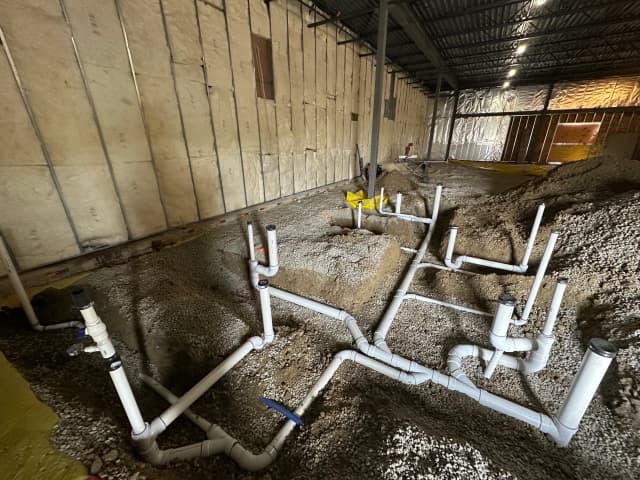
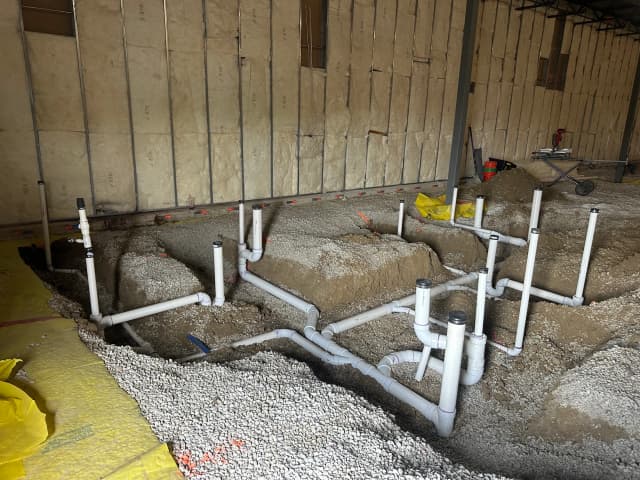
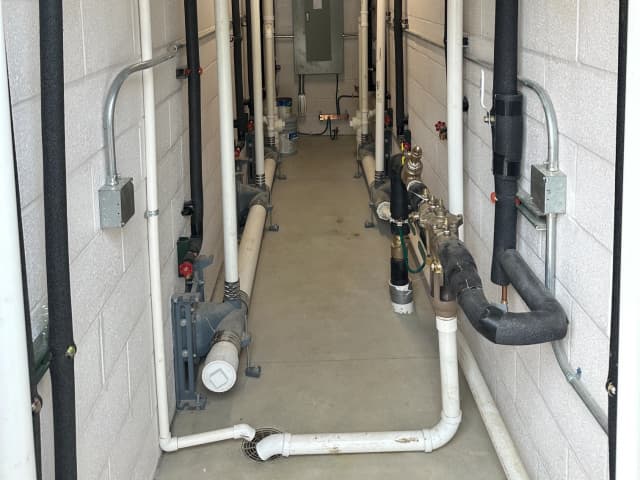
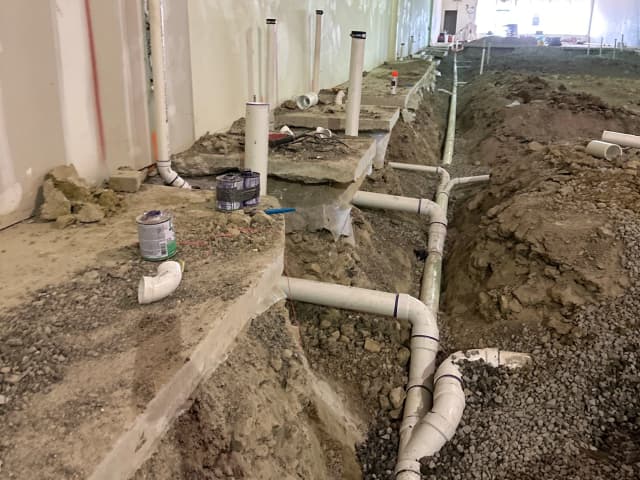
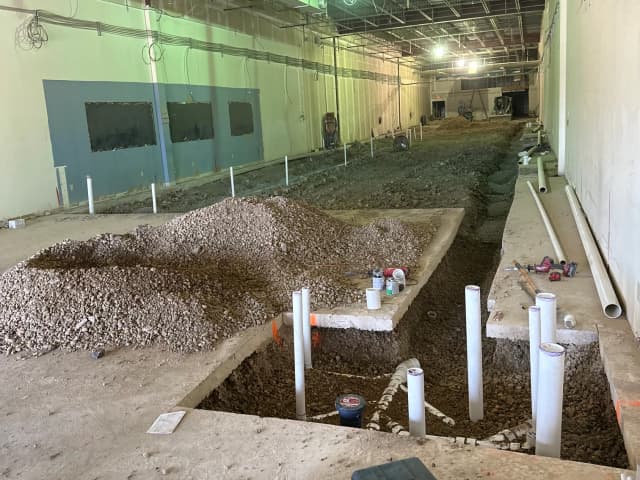
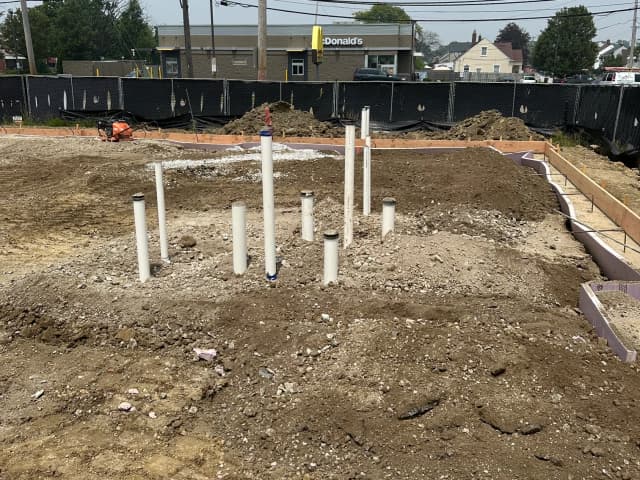
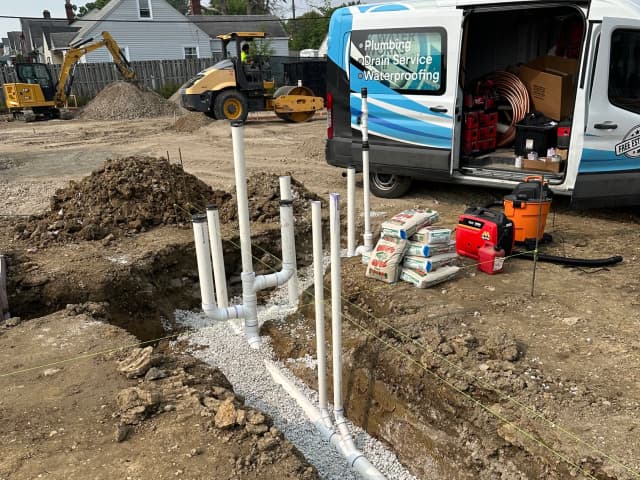
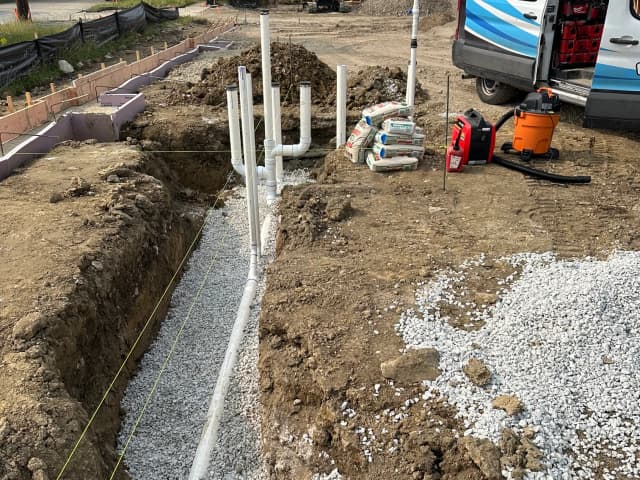
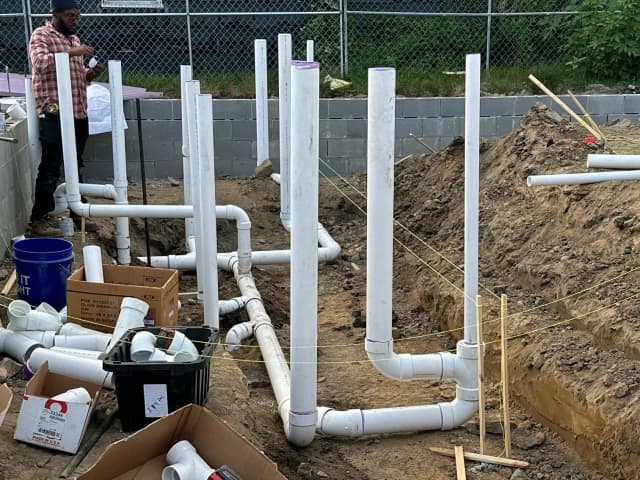
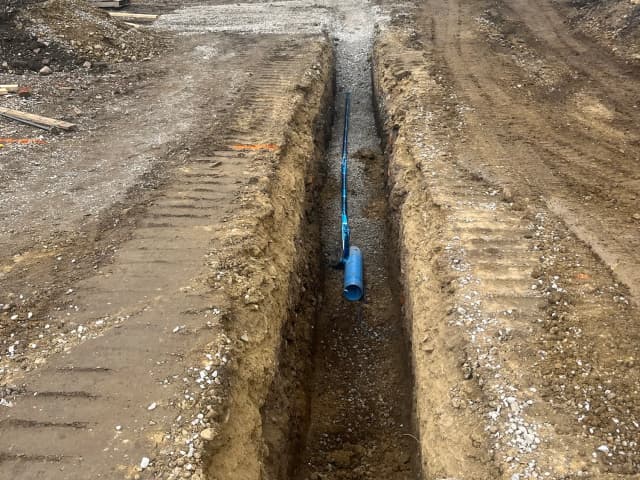
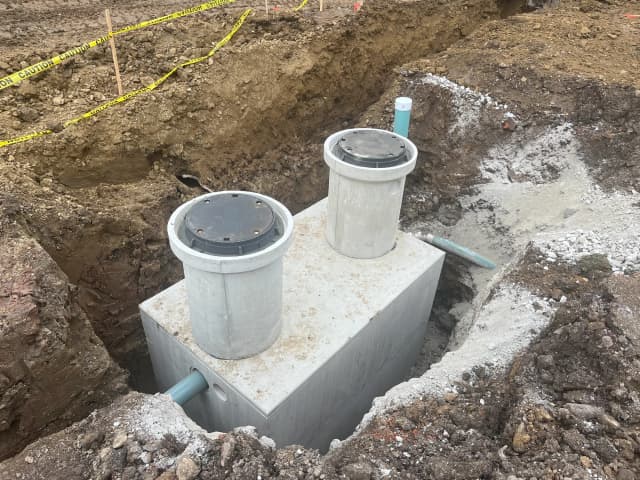
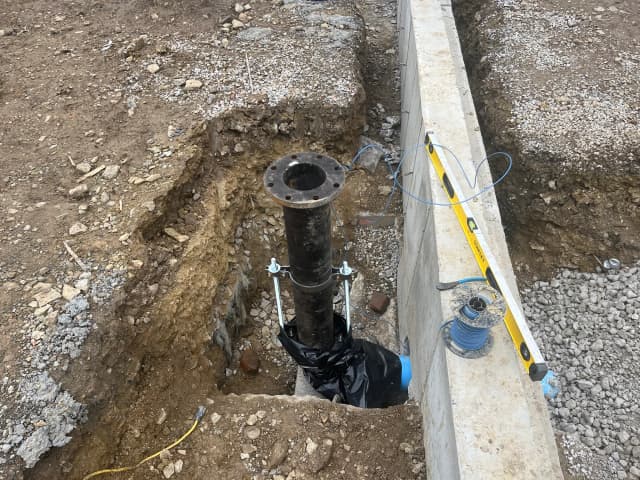
Photos of our commercial plumbing projects across Northeast Ohio

Got a Backflow Test Notice?
Send us the address and we will test the assemblies, file the report, and get you back on cycle.
Why Property Managers Call Us
Signs You Are Due for a Test
Which Buildings Commonly Need Backflow Testing
The trigger is a cross-connection, not a building type. If any part of your property could send water back toward the main that you would not want to drink, that connection generally needs a backflow prevention assembly and a test cycle. These are the ones we see most often in Northeast Ohio.
Irrigation systems
Lawn and landscape zones sit in soil and fertilizer, so almost every water department treats an irrigation tap as a cross-connection.
Fire suppression lines
Standing water in a sprinkler riser is not potable, and fire lines carry their own assembly and their own test cycle.
Commercial kitchens
Dish machines, pre-rinse units, carbonators, and hose bibs over floor sinks all create a path back into the supply.
Medical & dental offices
Suction lines, chair water, sterilizers, and lab equipment are classic high-hazard cross-connections.
Boilers & chillers
Makeup water lines to a boiler or cooling tower are treated with chemicals you do not want moving backward.
Car washes & industrial feeds
Chemical injection, process piping, and reclaim systems are usually the highest hazard rating on a site.
Your water purveyor sets the requirement for your service address, including which device class each connection needs. If you are not sure what is on file for your building, we can help you find out before the notice arrives.
The Annual Cycle and the Paperwork Behind It
Once a year, usually
Most jurisdictions run backflow testing on an annual cycle. Your water department tracks the assemblies at your service address, sends a notice when a test is due, and expects a completed report back within its own window. A missed or failed test typically starts with a notice and escalates from there, and in some places it can eventually reach a service shutoff.
Requirements, deadlines, and enforcement all vary by municipality and by water department, so we will not tell you what your city does. We will read your notice with you, test what it lists, and get the report in.
The report is the deliverable
A test that is not documented does not count. For every assembly we test, we complete the test report, submit it to the water purveyor, and hand you a copy for your compliance file. If you manage several buildings, that copy is what you actually need when ownership changes, an insurer asks, or a tenant wants proof.
We can also keep every assembly across a portfolio on one schedule, so the due dates come to us instead of surprising you one property at a time.
RPZ, DCVA, and PVB in Plain Language
Three device families cover most of what is out there. Knowing which one you have tells you a lot about what the test involves and what a repair is likely to cost.
RPZ
Reduced pressure zone. Two check valves with a relief valve between them that dumps water to atmosphere if both checks fail. It is the device for high-hazard connections: chemical injection, boiler and cooling tower makeup, medical and dental equipment, and process piping. Because it can discharge, it needs a drain and it cannot sit in a pit.
DCVA
Double check valve assembly. Two independent checks in series with no relief port, used where the hazard is a nuisance rather than a health risk. You will find these on a lot of fire suppression lines and on lower-hazard domestic connections. Quieter than an RPZ because it does not discharge, which also means a failure is less obvious.
PVB
Pressure vacuum breaker. A simpler device that breaks siphon action, used mostly on irrigation. It has to be installed above the highest outlet it protects, which is why you see them standing up on a riser next to the building. Exposed position makes them the ones most likely to freeze.
How a Backflow Test Goes
Schedule It Around You
A brief shutdown is part of the test, so we pick the window that hurts least
Locate Every Assembly
Domestic, fire, and irrigation, matched to what the water department has on file
Isolate the Device
Close the shutoffs and hook the differential gauge to the test cocks
Run the Test
Verify each check valve holds and the relief valve opens at the right pressure
Restore Service
Reopen, bleed the line, and confirm normal pressure downstream
File the Report
Submitted to your water purveyor, copy sent to you for the compliance file
Jack says: "The test takes a short water shutdown. Tell us when your building is quietest and we will come then, so nobody finds out the hard way."
When an Assembly Fails
A failed test is not automatically a new device. It is a repair decision, and the cheaper option is usually the right one to try first.
Rebuild first
Most failures are worn rubber. A seat, a spring, or a disc stops sealing and the assembly will not hold pressure. Rebuild kits are made for the specific make and model, and a rebuild plus a retest is typically well below the cost of a full replacement. We quote the rebuild before we mention anything bigger.
Replace when it earns it
A cracked body, heavy internal corrosion, an obsolete model with no parts available, or a device that is the wrong class for the hazard on that connection. Those are the cases where a rebuild is money spent twice. You get both numbers and you decide.
Ohio winters and spring tests
Above-ground assemblies take the worst of it here. Water left in an irrigation backflow preventer over a hard freeze can crack the body or split a test cock, and nobody notices until the system is charged in the spring and it fails. Blowing out irrigation lines before winter is the cheapest repair you will ever make.
Looking for Sewer Backup Protection Instead?
That is a different service. This page covers backflow prevention on the potable water supply, protecting the public drinking water system from a cross-connection at your building. If your problem is sewage coming back up into a basement during heavy rain, you want a sewer backwater valve, which is a one-way check valve on the sewer lateral. Different pipe, different device, different fix.
Backflow Testing Questions
What is backflow testing?
Backflow testing is a functional check of the backflow prevention assembly on your building’s potable water supply. That assembly is a mechanical device, usually an RPZ or a double check valve, that only lets water move one direction: from the public main into your building. A certified tester isolates the assembly, connects a differential pressure gauge to the test cocks, and confirms that each check valve holds and that the relief valve opens at the right pressure. The result is written up on a test report and filed with the water purveyor. If the assembly passes, you are documented for another cycle. If it fails, it has to be repaired or replaced and retested.
How often does a backflow preventer need to be tested?
Most jurisdictions run on an annual cycle, so once a year is the working assumption for planning and budgeting. Some water departments test high-hazard assemblies more often, and some assign different due dates to different device classes or to fire lines versus domestic service. The requirement is set by your water purveyor or local health department, not by us, and it does vary from one municipality to the next. The simplest approach is to let us pull the due dates for every assembly on your property and put them on one schedule.
Who is required to have backflow testing done?
It is most commonly required on commercial and institutional buildings that have a cross-connection, meaning some point where non-potable water could be pushed or pulled back into the drinking water supply. In practice that means irrigation systems, fire suppression lines, commercial kitchens, medical and dental offices, boilers and cooling towers, car washes, and industrial process piping. Requirements are set locally, so the right answer for your building is whatever your water department has on file for your service address. If you are not sure, call us and we will help you find out.
What happens if I miss my backflow test?
That depends entirely on your municipality, and it is worth taking seriously. Water departments generally start with a notice, and enforcement escalates from there. In some jurisdictions an untested or failed assembly can eventually lead to water service being shut off to the building. Penalties, deadlines, and fees are set locally and vary, so we will not quote you a number for your city. What we will do is get you tested and documented so the question never comes up.
Does the water have to be shut off during a backflow test?
Yes, briefly. The assembly has to be isolated to be tested, which means water downstream of it stops flowing for the length of the test. For a single assembly that is a short interruption, but a short interruption still matters if you are running a restaurant, a dental practice, or a manufacturing line. That is why we schedule the test around your operations, often first thing in the morning before you open or on a slower day. Tell us when the shutdown hurts least and we will work to it.
My backflow preventer failed the test. Do I need a new one?
Usually not. Most failures come from worn rubber: a seat, a spring, or a disc that no longer seals. Those parts come in a rebuild kit made for that specific make and model, and rebuilding is almost always cheaper than replacing the whole assembly. We rebuild first and retest, and only recommend replacement when the body is cracked or corroded, the device is obsolete with no parts available, or it is the wrong device class for the hazard on that connection. You get the rebuild price and the replacement price so you can decide.
What is the difference between an RPZ, a DCVA, and a PVB?
They are different levels of protection for different hazards. An RPZ, or reduced pressure zone assembly, has two check valves plus a relief valve that dumps to atmosphere if both checks fail, and it is the device used on high-hazard connections such as chemical feeds, boilers, and medical equipment. A DCVA, or double check valve assembly, uses two checks in series with no relief port and is common on lower-hazard connections including many fire lines. A PVB, or pressure vacuum breaker, is a simpler device used mostly on irrigation, and it has to be installed above the highest outlet it protects. Your water department decides which class your connection requires.
Why do irrigation backflow preventers fail in the spring?
Freeze damage. An above-ground assembly on an irrigation line is exposed to a full Ohio winter, and any water left in the body can freeze, expand, and crack the housing or split a test cock. The system looks fine until it is charged in the spring, and then it either leaks or fails the test. Blowing the line out before winter helps a great deal. If yours already cracked, we will tell you honestly whether it is a rebuild or a replacement.
Do you provide the test report to the water department?
Yes, and you choose how. We complete the test report for each assembly and either file it with your water purveyor directly or hand the completed report to you to submit yourself. Either way you get a copy for your compliance file. Property managers usually want the paperwork more than they want the visit, especially when a portfolio has assemblies on several buildings with different due dates. If you manage multiple properties, we can keep them on one schedule and send the whole set of reports together.
What does backflow testing cost?
It depends on how many assemblies you have, what class they are, and how accessible they are. A single irrigation PVB in an open utility area is a quick visit. A campus with a fire line, a domestic RPZ, and several irrigation zones is a different scope, and testing them all on one trip usually costs less per assembly than testing them one at a time. If something fails, the rebuild or replacement is quoted separately before we do it. Call (330) 574-1507 and we will price it for your actual building.
Related Commercial Services
Recent Commercial Plumbing Work Across Northeast Ohio
Completed a install standard bathroom faucet job near Hallock Young Rd in Warren. Upgrade your bathroom with a professionally installed standard faucet.
Completed a frost free silcock replacement job near Tod Ave NW in Warren. Upgrade to a frost-free silcock to protect your home’s plumbing from freezing and bursting pipes.
Completed a replace tub waste/overflow kit job near Sodom Hutchings Rd in Girard. Ensure proper drainage and prevent leaks by replacing your tub waste and overflow kit.
Completed a replace tub/shower fixture job near Tripodi Cir in Niles. Upgrade your bathroom with a new tub or shower fixture!
Completed a shower head job near Mines Rd SE in Howland. Shower Head Replacement Scope of Work: Remove and dispose of the existing shower head.
Completed a goldilocks install new ada approved toilet job near Savannah Ct in Canfield / Berlin Center. Ensure comfort, safety, and compliance by installing a new ADA-approved toilet.
Get Your Assemblies Tested and Filed
One test, one report, one schedule for every building you manage. Send us the address and we will take it from there.