
Types of Well Pumps: Choosing the Right Pump for Your Home
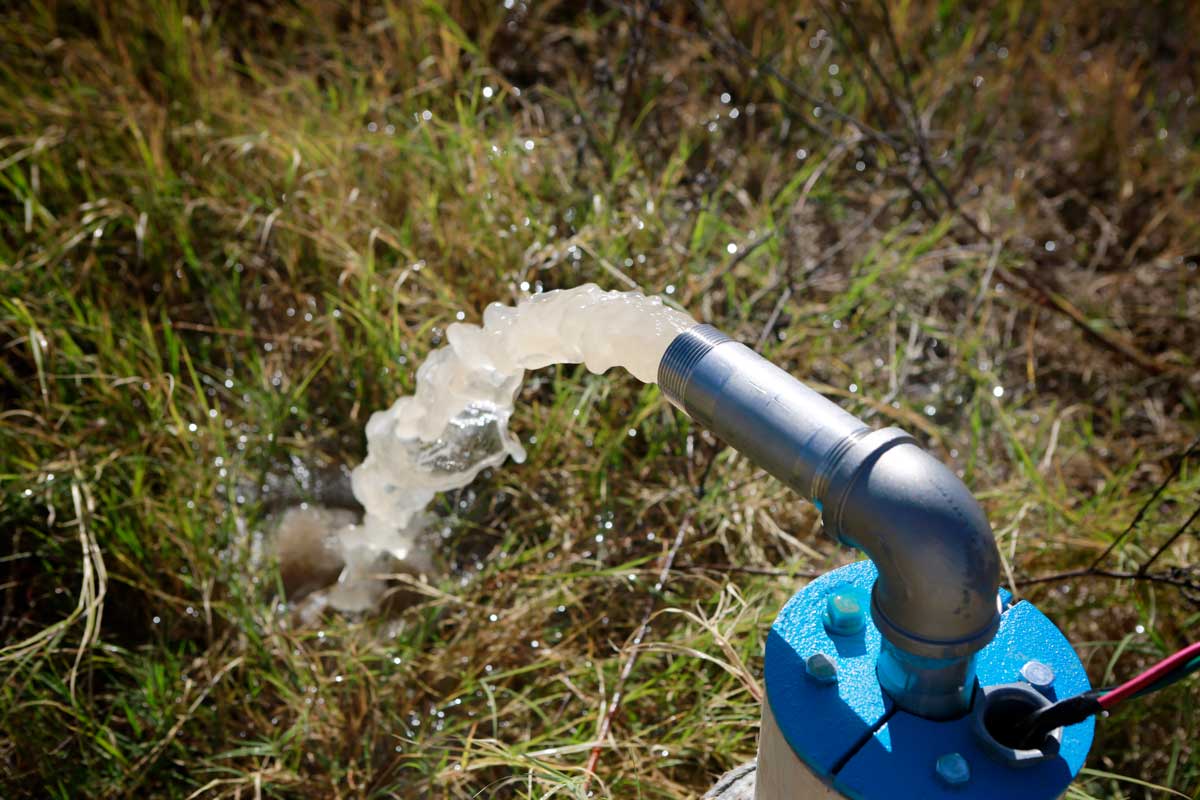
Hey there, fellow homeowners! Are you tired of relying on the municipal water supply? Do you yearn for the freedom to pump your water from a well on your property? Well, you're in luck! Today, we'll be discussing the different types of well pumps that can help you achieve just that.
Well pumps are essential for drawing water from underground wells. The most common types of water well pumps are submersible, jet, and hand pumps. Submersible pumps are designed to be submerged in the well and push water up through a pipe to the surface. They are efficient and effective for deep wells and are also low maintenance. An experienced plumbing company should do well pump installation. Jet pumps are located above the ground and use suction to pull water up from the well. They are ideal for shallow wells and are less expensive than submersible pumps. However, they require more maintenance and are less efficient.
Hand pumps are the oldest and simplest type of well pump. They are operated by hand and can be used in both shallow and deep wells. They are ideal for emergencies or rural areas where electricity is not available. Hand pumps require no electricity or fuel to operate, making them a reliable and economical option. However, they require more physical effort and are only suitable for low to moderate water needs.
In summary, the type of well pump you choose will depend on several factors, including the depth of your well, water needs, and budget. Submersible pumps are the most efficient and low-maintenance option for deep wells, while jet pumps are ideal for shallow wells. Whichever you choose, be sure to plan for regular well pump maintenance to ensure longevity and limited breakdowns.
| Type of Well | Common Usage | Pros | Cons |
|---|---|---|---|
| Dug Well | In rural areas, shallow water tables | Inexpensive to construct | Prone to contamination, limited depth |
| Drilled Well | In rural and suburban areas, deep water tables | Less prone to contamination, greater depth | More expensive to construct, requires specialized equipment |
| Driven Well | Sandy or gravelly soils, shallow water tables | Inexpensive to construct, easy to maintain | Limited depth, susceptible to contamination |
| Bored Well | Soft rock formations, shallow water tables | Inexpensive to construct | Limited depth, susceptible to contamination |
| Jetted Well | Sandy or gravelly soils, shallow water tables | Inexpensive to construct, easy to install | Limited depth, susceptible to contamination |
| Artesian Well | Areas with high-pressure aquifers | Consistent water supply | Expensive to construct, requires specialized equipment |
Submersible Pumps
As a plumber, I've seen many types of well pumps over the years. However, submersible pumps are one of my favorites due to their efficiency and ease of installation.
These pumps work by being submerged in water and pushing it up through a pipe to your home or building. When it comes to efficiency comparison, submersible pumps often come out on top. They can push water from greater depths than other types of well pumps, making them ideal for deep wells. Additionally, they require less energy to operate because they don't need to pull water up from the ground as jet pumps do.
While maintenance requirements may vary depending on usage and location, submersible pumps generally require less maintenance compared to other pump types. This is because they're protected from debris and weather elements when placed underwater. However, regular check-ups are still necessary to ensure the proper functioning and prevent common problems such as clogging or motor failure.
Regarding cost analysis, submersible pumps may be more expensive upfront compared to other options, but they can save you money in the long term due to their energy efficiency and low maintenance needs. Additionally, with easy installation and minimal upkeep required, these pumps offer peace of mind, eliminating the need to worry about costly repairs or replacements down the line.
Jet Well Pumps
If you're in the market for a water well pump, one type to consider is a jet well pump. Jet pumps are commonly used in shallow wells, typically up to 25 feet deep, and can be either single- or double-pipe systems. While they may not be as efficient as submersible pumps, they do have their advantages.
Efficiency comparison: When comparing efficiency between jet pumps and submersible pumps, it's important to note that jet pumps require more energy to operate due to their above-ground placement. However, they generally cost less upfront than submersible models.
Maintenance Tips: To keep your jet pump running smoothly, periodically check the pressure switch and replace any worn parts as needed. It's also recommended to flush the system with clean water every few months to prevent the buildup of sediment or debris.
Common issues: Common problems with jet pumps include low water pressure, air leaks in the suction line, and clogged impellers. If you experience any of these issues, refer to the troubleshooting guide provided by your manufacturer or consult a professional plumber for assistance.
Installation process: Installing a jet pump involves setting up the piping system correctly and connecting it to an electrical source. It's essential to ensure proper grounding and wiring techniques are followed during installation.
By taking proper care of your jet well pump through regular maintenance checks and addressing common issues promptly, you can enjoy reliable performance from this type of well pump. And if you encounter any challenges along the way, don't hesitate to seek help from a trusted plumbing professional who specializes in well systems.
Hand Well Pumps
Now that we've covered the basics of jet well pumps, let's move on to another type of pump: hand well pumps. These pumps are manually operated and don't require electricity or fuel to function. They're a great option for those who live off the grid or need an emergency backup water supply.
Maintenance tips for hand well pumps include regularly lubricating the moving parts and inspecting the system for any leaks. It's important to keep the pump clean and free from debris, as this can affect its performance over time. If you notice any issues with your hand well pump, it's best to call in a professional repair service rather than attempting DIY repairs.
Some of the best brands for hand well pumps include Bison, Simple Pump, and Flojak. When comparing costs between different models, consider factors such as pumping depth, flow rate, and durability. While hand well pumps may have a higher upfront cost compared to other types of pumps, they often have lower long-term maintenance expenses due to their simple design.
In summary, while not ideal for every situation, hand-pumped well pumps provide a reliable source of water that does not rely on external power sources. With proper maintenance and occasional professional repair services, these pumps can provide years of dependable use at a reasonable cost compared to other options on the market.
Centrifugal Well Pumps
Hold on to your tool belts, folks! We're about to dive into the world of centrifugal well pumps. These bad boys are like a superhero team that swoops in and saves the day when you need water pumped from deep underground. They're powerful, efficient, and cost-effective - what more could you want?
Let's start by comparing efficiency with other types of well pumps, such as jet pumps or submersible pumps; centrifugal models consistently outperform in terms of energy efficiency. This means they use less power to pump the same amount of water, ultimately saving you money on your electricity bill.
Maintenance requirements for these mighty machines are relatively low. Compared to other types of well pumps, there are fewer parts involved, which means less chance for something to break down and require repair. Additionally, their straightforward design makes it easy for plumbers (like me!) to diagnose any issues that may arise quickly.
When it comes to noise level, however, centrifugal well pumps can be pretty loud during operation. But don't worry - this is only temporary while the pump is working hard to get the water flowing. And once everything settles back down, you'll hardly even notice it's there.
As for installation, these pumps require some expertise, but nothing too complicated. A skilled plumber should have no problem getting one up and running efficiently in no time at all.
So if you're looking for a reliable and cost-effective way to pump water from your property's well system, consider a centrifugal well pump. With high energy efficiency ratings and low maintenance requirements coupled with an affordable price point (compared to other options), it's clear why so many homeowners trust this type of pump for their needs.
Deep Well Pumps
When it comes to deep well pumps, they are designed to provide water from depths of 100 feet or more. The installation process for these types of pumps can be complex and requires a professional plumber to ensure that everything is installed correctly and safely. It's essential to note that the depth of the well will determine the size and power of the pump required.
To maintain your deep well pump, there are several things you should keep in mind. First, make sure that the motor is properly lubricated according to the manufacturer's instructions. This will help prevent wear and tear on the moving parts of your pump. Additionally, check for any leaks regularly, as this can cause damage over time.
When it comes to cost comparison, deep well pumps tend to be more expensive upfront than other types of pumps due to their specialized design and construction. However, they typically have a higher efficiency rating, which means they are more energy-efficient and may save you money on utility bills in the long run.
If you encounter any issues with your deep well pump, such as low water pressure or strange noises coming from the motor, contact a professional plumber immediately for troubleshooting assistance.
Remember that maintaining your deep well pump is essential for its longevity and performance. By following proper maintenance tips and being aware of potential problems, you can ensure that your investment lasts for many years without issue.
If you're looking for a reliable source of fresh water from a deep well, consider investing in a high-quality pump today.
Shallow Well Pumps
When it comes to shallow well pumps, they are ideal for homes with a water source close to the surface. The installation process is straightforward and can be done by any plumber with experience in pump installations.
Before installing the pump, you will need to make sure the suction line from your home to the water source is free of debris.
One of the most important maintenance tips for shallow well pumps is regular cleaning. Dirt and other particles can accumulate in the pump over time, leading to clogs and reduced performance. Additionally, checking on the pump's pressure gauge periodically will help ensure that everything is working correctly.
Common issues with shallow well pumps include poor water flow or low pressure. This could be due to a variety of factors, such as blockages in the suction pipe or problems with the impeller. Always check for any visible signs of damage before calling a professional plumber for assistance.
When comparing efficiency ratings between different types of well pumps, shallow well pumps typically require less energy than deep well models. However, keep in mind that this does not necessarily mean they are cheaper overall, since there may be additional costs associated with frequent maintenance and repairs.
If you live in an area where water sources are closer to the surface, then a shallow well pump might be just what you need! With proper installation and regular maintenance checks, you'll enjoy reliable access to clean water without breaking the bank.
Solar-Powered Well Pumps
Are you tired of being tied down to the grid when it comes to your well pump? Solar-powered well pumps offer an alternative that can give homeowners a sense of freedom and independence. Not only are they cost-effective, but they also require minimal maintenance while delivering water efficiently.
Advantages of Solar-Powered Well Pumps:
- Cost-effectiveness: Solar power is free, making these pumps cheaper in the long run compared to traditional electric pumps.
- Installation: Installation is much like any other type, except for the electrical power connection.
- Maintenance: Since there are few moving parts involved, maintenance requirements are minimal.
- Eco-friendliness: Solar power is clean energy and does not produce harmful emissions.
- Efficiency: Solar panels convert sunlight into electricity efficiently, leading to reliable water delivery.
Need a Plumber or Waterproofing Expert?
Our team is available 24/7 for emergencies. Call now or schedule online.
Installation of these systems involves mounting solar panels near the well casing and connecting them through wiring to a controller unit that regulates power distribution. The pump, situated at the bottom of the well shaft, draws up groundwater as needed.
With fewer components than traditional electric pumps, there is less chance for things to go wrong over time.
In terms of cost-effectiveness, solar-powered well pumps pay dividends over their lifetime by saving money on electricity bills. While initial investment costs may be higher than those associated with traditional pumps, lower operating costs quickly offset this difference.
For those seeking greater independence from utility companies or who live in remote areas without access to consistent electricity sources, solar-powered well pumps provide a viable solution.
Booster Well Pumps
Booster well pumps are a popular choice among homeowners seeking to boost their water pressure. These types of pumps work by increasing the flow rate and providing consistent pressure throughout your home's plumbing system.
One benefit of installing a booster pump is that it can help prevent damage to your appliances caused by low water pressure. However, there are also some drawbacks to using a booster well pump. They require regular maintenance, including checking for leaks and replacing worn-out parts. Additionally, because they consume electricity, they can add an extra expense to your energy bill each month.
When it comes to installation, it's essential to hire a professional plumber or installer to ensure the process proceeds smoothly. A qualified technician will be able to determine the type of booster pump best suited for your specific needs and provide you with an estimate for the installation cost.
In terms of energy efficiency, booster well pumps generally use less power than traditional water pumps. However, it's still important to compare costs before making a purchase decision. When considering an investment in a booster pump, factor in both the initial cost and any ongoing maintenance fees to compare the overall costs accurately.
Constant Pressure Well Pumps
Constant-pressure well pumps are a great option for homeowners who want to experience consistent water pressure throughout their homes. Unlike traditional well pumps, which rely on an inconsistent flow of water and air to provide water pressure, constant-pressure well pumps use variable speed technology to maintain a steady stream of water.
One advantage of installing a constant-pressure well pump is that it can save you money on your energy bills. Because the pump only runs when necessary, it uses less electricity than traditional pumps, thereby reducing your overall power consumption. However, there are also some disadvantages to consider.
Constant-pressure well pumps tend to be more expensive upfront and may require professional installation. When it comes to installation, it's essential to hire a qualified plumber with experience working with constant-pressure systems. The installation process involves connecting the pump to your existing plumbing system and programming the controller unit.
Proper maintenance is also crucial in ensuring your pump operates efficiently. Be sure to follow the manufacturer's guidelines for routine maintenance and have any necessary repairs done promptly. Some popular brands of constant-pressure well pumps include Grundfos, Franklin Electric, and Pentair.
If you encounter issues with your pump, troubleshooting techniques such as checking for leaks or resetting the control panel may help resolve the problem before calling in a professional. Overall, investing in a constant-pressure well pump can provide greater convenience and consistency in your daily life while potentially saving you money over time.
With proper installation and maintenance, this type of pump can provide years of reliable service for your household water needs without compromising your freedom or quality of life.
Variable Speed Well Pumps
Variable-speed well pumps are gaining popularity among homeowners seeking to reduce their energy bills. These pumps utilize advanced technology that enables them to adjust their speed according to water demand, resulting in lower power consumption compared to traditional water well pumps.
However, like any other type of pump, variable-speed well pumps have both benefits and drawbacks.
One of the main advantages of a variable-speed well pump is its high energy efficiency. By adjusting its speed in response to water demand, it can reduce its power consumption by up to 50%. This results in significant savings on electricity costs over time. Additionally, these pumps also tend to be quieter than traditional models because they run at lower speeds.
On the downside, variable-speed well pumps require more maintenance than standard units due to their complex design. Regular checkups and cleaning are necessary to keep them running smoothly and prevent breakdowns. Furthermore, they tend to cost more upfront compared to conventional well pumps. Homeowners should weigh the long-term energy savings against the higher initial investment before deciding if this type of pump is right for them.
When it comes to the installation process, variable-speed well pumps must be installed by a licensed plumber or contractor with experience in installing this type of equipment. While this may incur additional costs compared to DIY installations or hiring an unlicensed handyman, it ensures proper installation. It reduces the risk of damage or malfunction in the long run.
Overall, while variable speed well pumps have some potential drawbacks, such as higher upfront costs and increased maintenance requirements, their excellent energy efficiency makes them an attractive option for those seeking ways to reduce their utility bills without compromising performance.
Signs You Need A Well Pump Installation
If you're experiencing issues with low water pressure, unusual noises from your well, or reduced water output, it may be time for a well pump installation.
Let's take a closer look at these three issues to determine if it's time for a new pump.
No Water Pressure
You wake up, turn on the faucet, and nothing comes out. Your mind races with anxiety as you realize there is no water pressure in your home.
This can be a common problem for well pump owners, and several potential causes should be considered.
One of the most frequent culprits is clogged pipes or filters that prevent proper water flow.
Alternatively, low voltage from electrical issues may cause the well pump to malfunction, resulting in reduced water pressure throughout your plumbing system.
If these troubleshooting solutions do not work, it might be time for a new well pump installation.
As an experienced plumber, I advise homeowners to address any loss of water pressure immediately to prevent further damage to their plumbing system.
Unusual Noises
If you're a homeowner who's always on the lookout for signs of potential problems with your well pump, then you know that low water pressure is just one of many red flags.
Another common issue to watch out for is unusual noises coming from your plumbing system. These can include grinding or rattling sounds emanating from pipes and fixtures when the well pump is in operation.
While some minor noise may be normal, anything excessive could indicate a more significant problem that needs immediate attention. As an experienced plumber, I recommend using troubleshooting tips and maintenance techniques to address these issues before they escalate.
Don't wait until it's too late- take action now to ensure your plumbing system runs smoothly and efficiently!
Professional Well Pump Installation Service
I'm licensed and certified to install any type of well pump, so you can trust that I have the expertise to do the job correctly.
I offer a range of services, including pump inspection and maintenance, as well as complete well pump installations.
Licensing Requirements
Let's talk about the licensing requirements for a professional well pump installation service.
When it comes to well pumps, regulations are in place to ensure that only qualified professionals handle their installation and maintenance. As a licensed plumber, I know firsthand how important it is to comply with these regulations.
To obtain a license, we must pass an exam that tests our knowledge of well pump systems and the safety measures associated with their installation. Additionally, there are licensing fees that vary by state and can be quite substantial, all of which are necessary expenses to ensure quality workmanship and prevent damage or injury caused by improper installations.
So, if you're considering hiring someone for your well pump needs, make sure they have the right credentials – it may save you money down the line.
Services Offered
Hey there, folks!
Now that we've covered the importance of licensing for well pump installation services, let's dive into the benefits of opting for professional installation over a DIY approach.
As much as I respect those who take on home repairs themselves, when it comes to something as crucial and potentially hazardous as your well pump system, it's best to leave it in the hands of experts like me.
Professional installation ensures that everything is done correctly and safely from start to finish, minimizing the risk of damage or injury down the line. Plus, if anything does go wrong during the installation process or soon after, you can rest easy knowing that licensed professionals are held accountable for their workmanship.
Before considering a well pump installation project yourself, remember that investing in professional services offers long-term peace of mind and security for both you and your family.
Conclusion
So, there you have it, folks - the different types of well pumps explained.
From jet pumps to submersible pumps and everything in between, now you know which one will work best for your specific needs. However, before proceeding with the installation, ensure you determine the correct pump size for your well and consider whether you need professional assistance with well pump installation.
And don't forget regular well pump maintenance is key to ensuring a long-lasting and efficient system.
As a plumber, I can assure you that investing in high-quality well equipment and staying on top of upkeep will save you headaches (and money) down the road.
So go forth, choose wisely, and enjoy all the benefits of having a reliable source of water at your fingertips!
Frequently Asked Questions
How Do I Know What Size Well Pump I Need For My Specific Well?
So, you want to know how to choose the right size well pump for your specific well?
Well, there are a few things you need to consider.
First of all, you need to consider the depth of your well. The deeper the well, the more powerful and larger your pump needs to be in order to bring up water from such depths.
Secondly, consider the pump flow rate, as it determines the amount of water that can be pumped at once. Additionally, pressure switch settings play a role in determining which pump is best suited for your needs. This setting controls when the pump turns on and off based on water demand. Sizing requirements also matter if you don't want a pump that's too small or too large for your well, as this could result in inefficiencies or even damage over time.
Lastly, understanding your household’s water usage patterns will help determine the type of well pump that works best for you, whether it's for constant use throughout the day or only periodic use during specific times of the day.
It may seem like a lot to consider, but with careful planning and consultation with a professional plumber, choosing the right size well pump doesn't have to feel like a trap!
Can I Install A Well Pump Myself, Or Should I Hire A Professional?
Are you tired of relying on expensive professionals for every home repair?
Installing a well pump yourself may seem like the perfect solution, but there are pros and cons to consider.
While DIY projects can save money, they also require proper knowledge and tools. Additionally, safety considerations must be taken seriously when handling electricity and water.
Before deciding to go it alone, compare the cost of hiring a professional with the cost of buying or renting the necessary equipment.
As a plumber, I recommend that those who lack experience and expertise hire a professional to avoid costly mistakes and ensure the long-term functionality of the well pump system.
How Often Should I Expect To Replace My Well Pump?
If you're wondering how often to replace your well pump, it depends on several factors. Causes of well pump failure can include age, wear and tear, power surges, or inadequate maintenance. Most pumps will last for 10 to 15 years with regular maintenance.
Signs of a failing well pump may include low water pressure, unusual noises from the system, or discolored water. To maximize the lifespan of your well pump, it's essential to have it installed properly by a professional and to maintain it regularly with annual check-ups.
Upgrading to a more efficient model can also provide benefits such as energy savings and improved performance. As a plumber, I know that having reliable access to clean water is essential for those who value their freedom and independence, so don't neglect your well pump!
Can I Use A Well Pump For Irrigation Purposes?
When it comes to irrigation purposes, selecting the right pump is crucial. You don't want to be left with low water pressure or high energy consumption that will hurt your wallet and efficiency.
It's essential to select a well pump that meets your specific needs, whether you're watering a small vegetable garden or acres of land. Pump installation also plays a major role in ensuring optimal performance for your irrigation system.
So if you're looking to break free from worrying about the right kind of pump for your lawn or crops, do your research and consult with an expert plumber who can guide you through the process smoothly. After all, as they say, 'water under the bridge' doesn't grow anything.
What Type Of Maintenance Is Required For A Well Pump?
Well pumps are essential for pumping water from wells, but they require regular maintenance to ensure they remain in good working condition.
Cleaning methods include flushing out the pump with clean water and removing any debris that may have accumulated inside.
Troubleshooting tips involve checking the power supply, pressure switch, and other components to identify any issues that may be affecting performance.
Common issues can vary from low water pressure to clogs or leaks.
Preventive measures, such as routine inspections and filter replacements, help ensure your well pump lasts longer without frequent breakdowns.
Repair options range from simple fixes, such as replacing a damaged impeller or seal, to more complex repairs that require professional assistance.
Keep your well pump running smoothly by following these maintenance tips!
Need Help With Your Plumbing?
Our team is ready to help with any plumbing or waterproofing need.
Related Articles
Why Is My Water Heater Making Noise? Popping, Rumbling & Hissing Explained
That popping, rumbling, or hissing sound coming from your water heater isn't something to ignore. Here's what each noise means, whether it's a quick fix or a sign of real trouble, and what Northeast Ohio homeowners should know about water heater maintenance.
Read More
Why Choose a Local Plumbing Company in Boardman Ohio
Choosing a local plumbing company in Boardman, Ohio, such as AK Water Works, offers personalized service, quick response times, and expertise in local plumbing codes, ensuring compliance and avoiding potential fines. They provide transparent pricing with no hidden fees and all-encompassing solutions
Read More
Why AK Water Works is Your Best Choice for "Plumber Near Me" in Northeast Ohio & Northwestern Pennsylvania
AK Water Works offers comprehensive plumbing services in Northeast Ohio and Northwestern Pennsylvania, covering Mahoning, Trumbull, Summit, and Mercer counties. They provide 24/7 emergency services, including burst pipe repair, sewer backups, and sump pump failures. Their full-service solutions incl
Read More